Leaving No Woman Behind: Increasing Awareness and Quality Care for Cervical Cancer in Equatorial Guinea
January 28, 2026
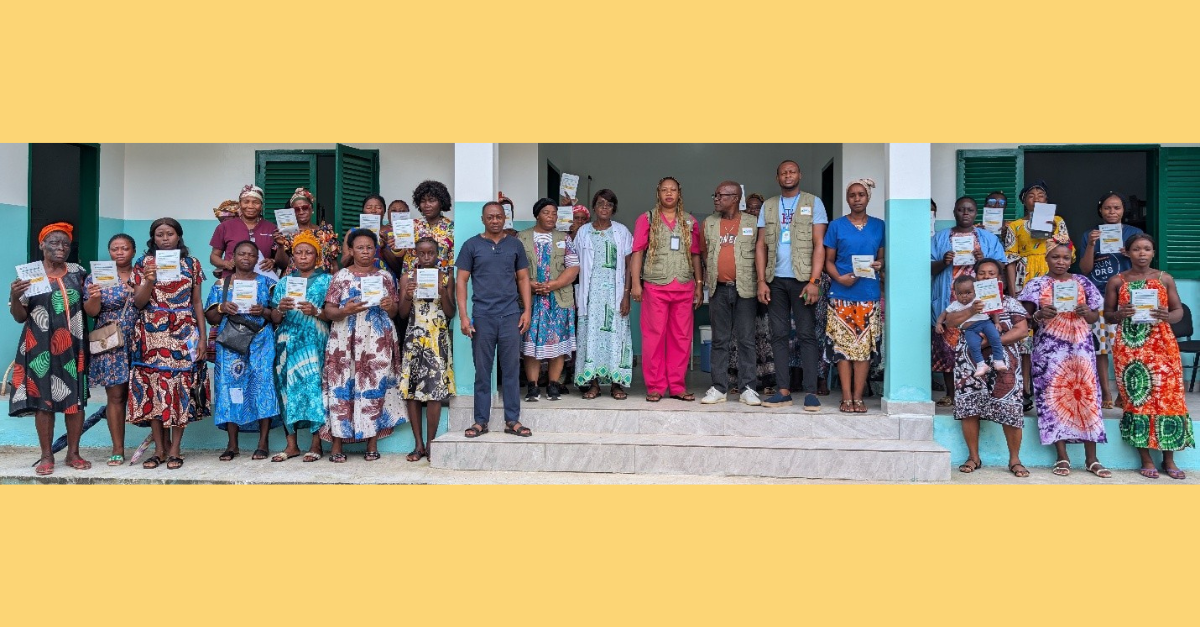
Group of women pose with the CCST team and National Reproductive Health staff in front of Mbini District Hospital during nationwide campaign.
In 2025, MCD Global Health’s Cervical Cancer Screening and Treatment (CCST) project embarked on one of its most ambitious years yet in heightening awareness and delivering uncompromising quality care to women across Equatorial Guinea.
The year began with a bold target: consultation rooms were tasked with screening at least 4,000 women for cervical lesions, a goal that set the tone for rigorous planning, coordination, and service delivery throughout the year.
Equipping Health Workers
To ensure that every participating health worker was equipped with the right knowledge and tools, the project team undertook a thorough revision of training materials. These updates culminated in a comprehensive project technical manual on cervical cancer prevention, designed to standardize quality and strengthen clinical capacity.
Training efforts intensified between June and July with theoretical and practical sessions rolled out in both regions of the country. This dual-track approach not only deepened clinical competencies but also helped unify health workers under a shared vision of high-quality, woman-centered care.
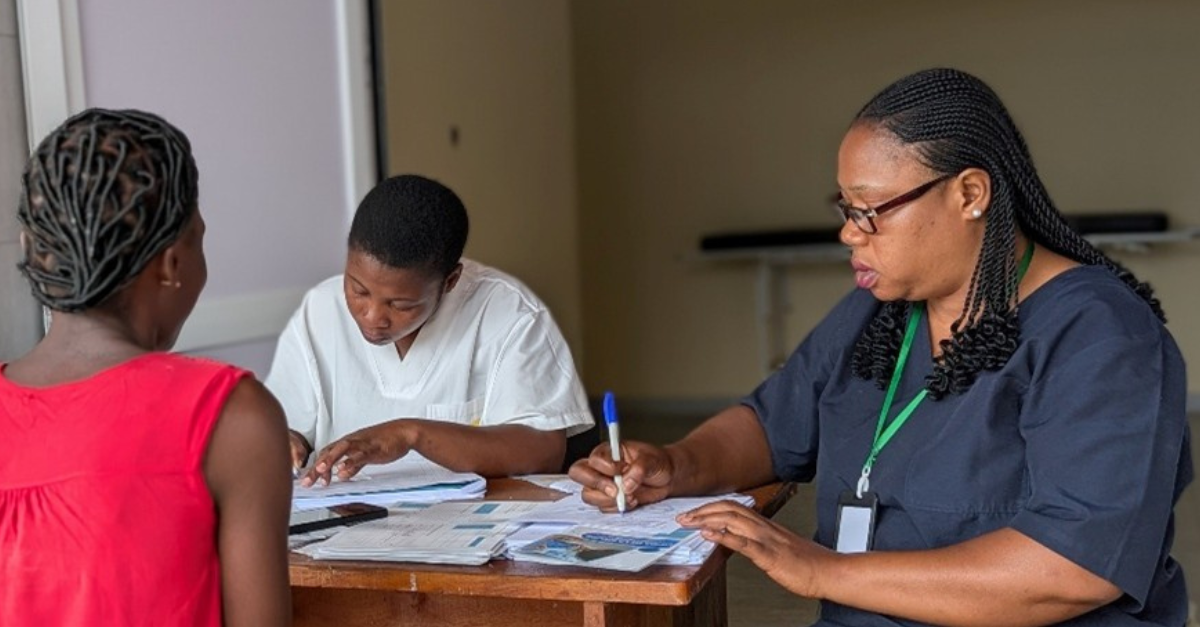
CCST Coordinator Carolina Amadou participating in screening together with consultation room staff as part of practical training.
As the year progressed, the team implemented supportive supervision in a dynamic campaign-mode format, allowing supervisors to reach vast numbers of women in a short time. Over a three-week period between October and November, 1,234 women were screened through this effort alone. Women were screened in health districts outside of the project’s usual areas of influence, like Annobón and Nsok Nsomo. The purpose was to bridge gaps in access and reaffirm the project’s unwavering commitment to leaving no woman behind as well as offering accessible, equitable care. The massive turnout of women also highlighted the power of strategic mobilization.
Commemorating World Cervical Cancer Elimination Day
A milestone of 2025 was the commemoration of World Cervical Cancer Elimination Day for the first time ever in Equatorial Guinea. The project organized a weeklong series of activities that extended its impact beyond clinical settings: Health talks were delivered to university students, women’s associations, and community groups, creating a ripple effect of knowledge that reached even those who have yet to be screened. Such activities help amplify nationwide awareness and demystify cervical cancer while empowering women with lifesaving information.
Surpassing Goals
At the end of 2025, the results spoke for themselves:
- The project not only met but surpassed its target by screening 4,182 women for cervical cancer.
- Of these, 1,398 were reached through outreach screening activities while 2,938 were screened directly in consultation rooms; evidence that both community- and facility-based strategies were essential to success.
The data-driven approach embedded in program planning ensured that resources were allocated where they were needed most, and that every screening campaign was backed by evidence.
“The fight against cervical cancer goes beyond numbers; it is an expression of commitment to leaving no woman behind ... by duty, by right,” said Antonio “Tony” Roca, the CCST project coordinator.
The CCST project demonstrated that when awareness and quality care move hand in hand, results on the ground are positive. The year stands as a testament to teamwork and commitment to service with the goal of continuously of bringing lifesaving health services to the women who need them most.