Community-led Solutions Leave Lasting Impact in Rural Maine
August 19, 2026
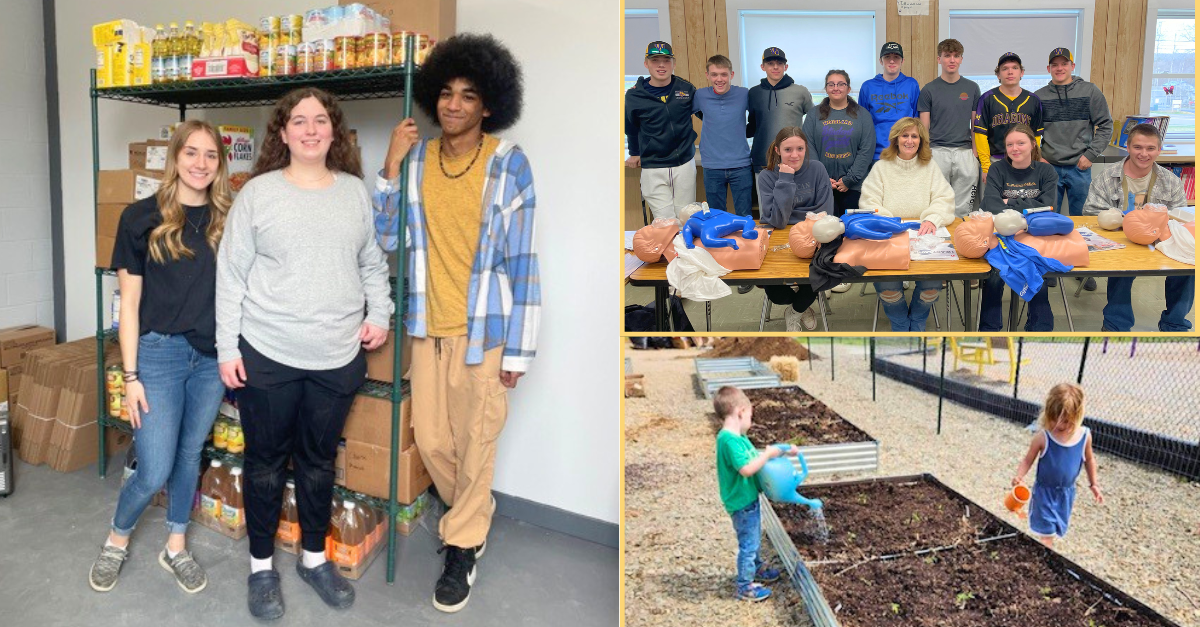
When residents of Washington County, Maine, identified issues that mattered most to them, they did more than describe the challenges; they helped build the solutions.
Over the past five years, community members, schools, healthcare providers, and local organizations worked together to expand behavioral health services, strengthen support systems for families and youth, improve access to technology and food resources, and create programs designed to thrive long after the grant funding ended.
As MCD Global Health’s Maine Community Connections Initiative in the county ends, the initiative leaves behind something valuable: a community more equipped to continue improving its own health and well-being for years to come.
Like many rural communities, Washington County faces challenges that affect the health and well-being of its community members, including high rates of substance misuse, overdoses, and deaths from cancer. Unemployment is well above the state average and income well below. These stressors put families in tough circumstances and create extraordinary stress for children who are at times ill-equipped in managing their emotions. These realities also helped shape the priorities that residents identified and the solutions they pursued together.
This MCD initiative made great strides in supporting residents to improve the health and well-being of those who live in the rural county.
Improving the Situation

What began in 2021 as a community health effort supported by a challenge grant and local partnerships evolved into a comprehensive, community-driven initiative that addressed some of the most pressing issues facing rural communities, including youth behavioral health, food insecurity. social connection, digital equity, and access to care. Throughout the initiative, MCD worked alongside local leaders, schools, healthcare professionals, families, and others to identify priorities and build practical, sustainable solutions.
The foundation of the effort was simple: listen first. Through community surveys and outreach, residents identified the needs that mattered most to them. Guided by those insights, MCD worked with local partners to establish projects designed to deliver measurable results while ensuring any long-term programs could continue without future reliance on grant funding or local tax revenue.
Over the past five years, those efforts have translated into meaningful improvements across the community. From September 2022 through June 2026,10 schools, in four school districts, participated in the initiative. Nearly one in five of the K-12 students in participating school districts received behavioral health services through telehealth.
Introducing School-based, Tele-behavioral Health Services
Interested in setting up this kind of program in your community?
Access the free School-Based Telehealth Toolkit on Telehealth Classroom
Review materials from the Mental Health Promotion in the School Setting ECHO
One of the initiative’s most significant achievements was expanding access to behavioral health services for students. Through a school-based, tele-behavioral health model, students across the AOS 90 school district gained access to care regardless of transportation challenges or geographic barriers. Parents were able to participate in appointments without missing work, continuity of care improved as students transitioned between schools or moved between towns, and services were structured to remain financially sustainable through insurance reimbursement and sliding-scale payment options.
Nearly 1,000 public school students from multiple school districts in Washington County now have access to healthcare via telehealth thanks to these available services.
The broader initiative ultimately expanded healthcare access to hundreds of students through telehealth services, demonstrating how innovative approaches can overcome longstanding rural health challenges.
In this video, Danielle Metta, parent of a Princeton Elementary School student, discusses how the Youth Tele-behavioral Health Program has been working for her and her child:
Improving Community Well-being
The project also invested heavily in supporting youth success beyond health outcomes. MCD and community partners:
- Helped reconnect former students with educational and training opportunities,
- Expanded adult education programming,
- Created career exploration experiences for younger students, and
- Increased support for high school students preparing for life after graduation.
These efforts strengthened pathways to employment, higher education, and workforce readiness while helping young people feel more connected to opportunities in their community.
"This program responds to the urgent behavioral and mental health needs of young people in a meaningful way and illustrates how change can happen when committed community leaders come together," said Patricia Metta, superintendent of AOS 90 school district from 2022–2023.
At the same time, the initiative recognized that community well-being extends beyond healthcare. Adult residents participated in community dinners, educational workshops, technology classes, music programs, and hobby groups that helped rebuild social connections as communities emerged from the isolation of COVID-19. A digital equity initiative further helped residents access broadband services, understand available subsidies, and develop needed skills to navigate an increasingly digital world.
Lasting Long-term Success
Perhaps the clearest measure of success is the number of programs that will continue, in addition to school-based tele-behavioral health, long after the project concludes.
The school-based food pantry now operates with student leadership and ongoing support from regional food security partners. The community garden has evolved into an independent nonprofit organization managed by residents, providing fresh produce to families and supporting educational activities for students.
Volunteer-led infant and toddler playgroups continue to offer connection and support for caregivers of young children.
Telehealth access points remain available in both school and community settings, ensuring residents can connect with healthcare providers without traveling long distances.
These initiatives are no longer project activities; they are community assets.
This experience demonstrates what can happen when communities are empowered to lead their own health improvement efforts. Rather than implementing temporary solutions, MCD and partners focused on building local capacity, creating sustainable systems, and fostering partnerships that can endure beyond the life of a grant.
Exemplary Expertise in Rural Health Improvements
The initiative’s success reinforces MCD’s commitment to helping rural communities identify challenges, develop evidence-informed solutions, and create conditions for long-term success. As MCD’s role in the initiative closes, Washington County offers a powerful example of what is possible when residents, schools, health providers, and community organizations come together around a shared vision.
"What began as an idea for a community center has evolved to become exactly what the community itself determined was urgently needed to improve the health, wellness, and quality of life in the small towns in the northern part of the county,” said Kate Perkins, deputy director for U.S. Program development at MCD.
MCD’s role in the initiative may have ended, but the relationships, programs, and leadership it helped cultivate remain firmly in place.