Community Driven Solutions

Our Results

$1.8M

raised from nongovernmental sources to develop and implement programs in Washington County, Maine

948

public school students now have access to healthcare via telehealth

71%

of AOS 90 students have more access to food through school-run food pantry and distribution programs

Geri Harkins, woman in scrubs with blonde hair looking at camera

“I can't imagine our community without the services we now have in place for students and community members … it's wonderful to see us focusing on ALL members of our community. I have been a lifelong resident of this community and finally see us doing something that is really focusing on the individual groups that exist in our town while at the same time trying to see how we can have students, seniors, and community members come together to make their community better. Very exciting work!”

—Patricia Metta
Superintendent (2021–2023), AOS 90
Principal, Woodland Jr/Sr High School 2024-2026

In this video, learn more about school-based, tele-behavioral health services at Princeton Elementary School from those directly involved:

Our Impacts

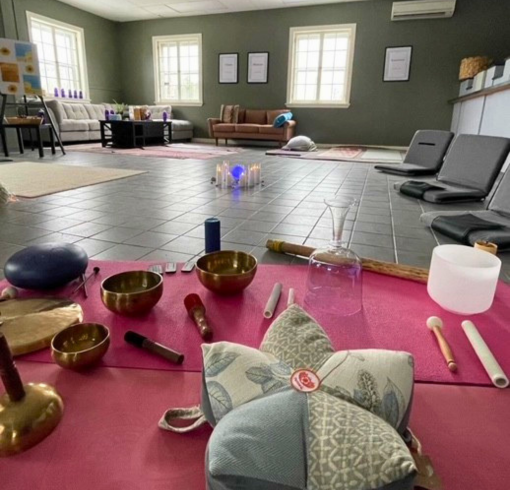
Image of a blanket with pillows on a floor in a big room with sound bath instruments

Baileyville Community Connections Center

The Baileyville Community Connections Center (CCC) opened in early 2024 and hosted community events, classes, and a playgroup for toddlers and their caregivers and offered telehealth access points.

2026 onward: The CCC no longer operates, but the programs are still continuing thanks to a collaboration with the Beth Wright Cancer Resource Center (BWC).

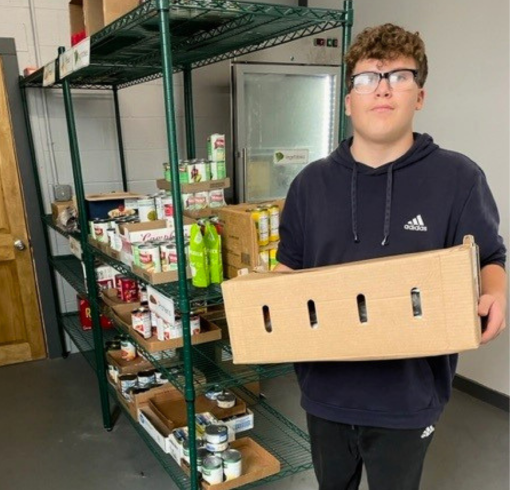
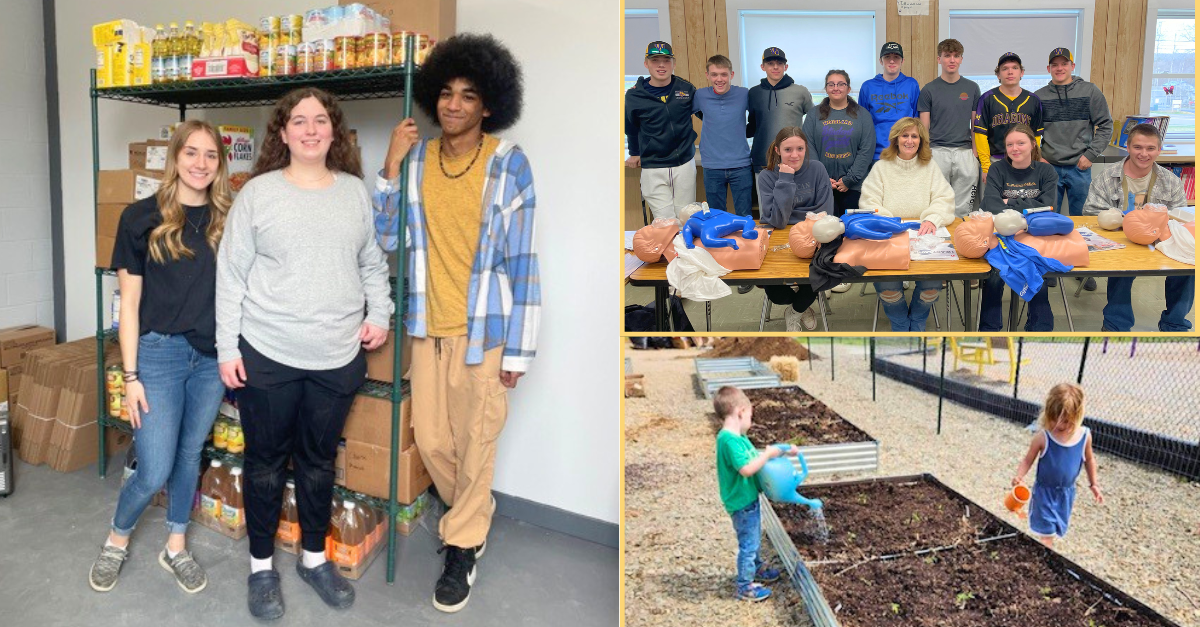
A young man holding a box in front of shelves of food in a school.

Food Security and Clothing Pantry Programs

In 2023, we launched a school-based food security program at Woodland Jr/Sr High School, which was followed with a clothing pantry in 2025. The food pantry in another school was expanded, and food was delivered to families served by a different school when the in-school service was no longer available. This resource is vital since more than one in three student families experience food insecurity. Students earned job training credits for managing the food pantry and learned how to obtain additional donations from local grocery stores.

2026 onward: The clothing pantry is being maintained by the school’s guidance office staff. The Woodland Jr/Sr High School food pantry still offers the student job training program with the National Honor Society student group accountable for its continued success.

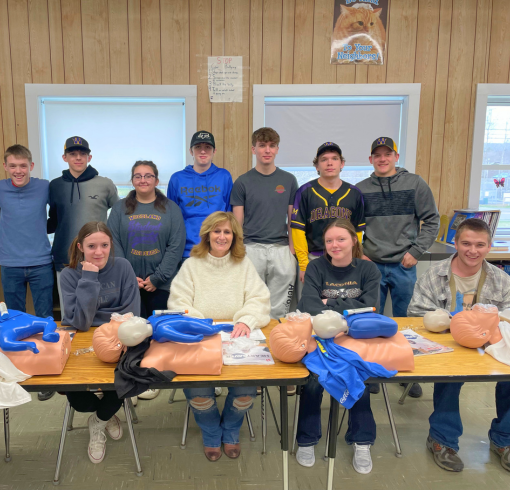
A group of high school students posing for the camera with CPR dummies on a table

Health Skills Training

Starting in April 2023, the initiative offered an introduction to health skills to age-eligible AOS 90 students and interested adults in first aid, CPR, AED, and babysitting. Participating high school students were prioritized for employment by the Baileyville Recreation Department to aid in staffing their summer programs. Later, in collaboration with the BWC, classes in first aid, CPR, AED, and phlebotomy were offered at the community center.

2026 onward: The tools and instructional materials were given to the BWC, ensuring that the courses continue to be offered locally.

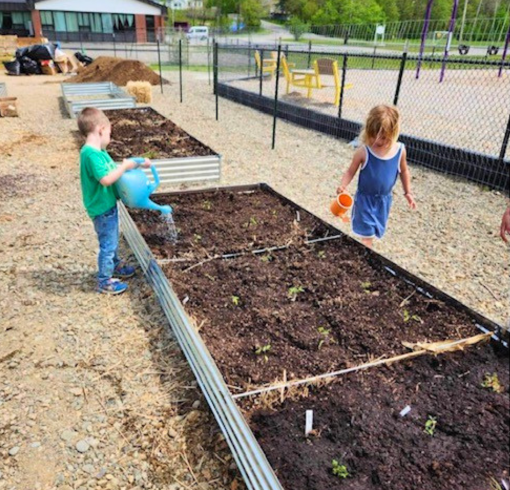
Two small children tending to a freshly plowed raised garden bed outside.

Community Garden

Initially led by members of the Community Connections Committee, a community garden was created in Baileyville as well as a new school garden next to the town’s elementary school. Volunteers lead students who assist in science and nature-focused projects during the school year and guide them in sowing, maintaining, and harvesting the produce, which they are welcome to take home.

2026 onward: A group of volunteers created a nonprofit organization to facilitate donations to and cover the cost of garden improvements and maintenance. Individuals, foundations, and local businesses, such as Hammond Lumbar and FedCo Seeds, contributed.

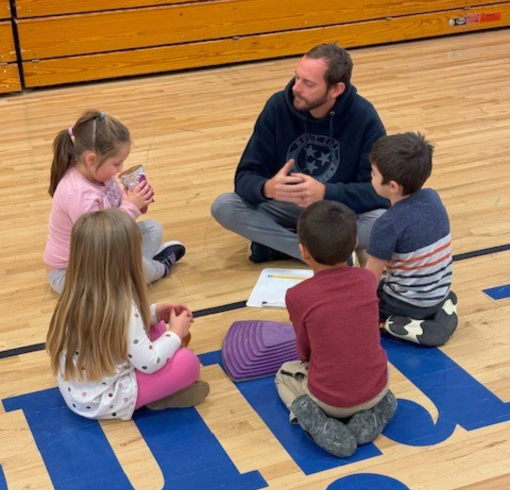
A young male teacher sitting on the floor of a gym in a circle with chidlren.

Enhanced Learning Curriculum

Washington County suffers from intergenerational poverty and multiple social and economic challenges that can make it hard for children to learn and succeed. To ensure that the school staff was well-prepared in supporting and assisting local children, MCD obtained grants that were used to pay for an array of professional development programs and trainings, including:

  • Princeton Elementary School began using mindup, an evidence-based, social emotional learning curriculum.
  • All AOS 90 elementary schools experienced Gettin’By, a gamified training that allows adults to experience stressors that impact people in poverty and better understand how such stress influences decisions.
  • Training and implementation of The Regulated Classroom, a training for teachers on regulating themselves, which in turn regulates students. This training is an ESSR Tier-4, evidence-based program approved by the Maine Department of Education that focuses on trauma-informed care.
  • Multiple workshops and assemblies for school staff and students to learn more about Passamaquoddy history and culture. This included bringing in Passamaquoddy elders to lead lessons, including history, music, social studies, and science.

Jessica Melhiser

“I was at the elementary school playground with our navigator and overheard one of the students say to a friend, 'Hey, your parents are having problems. I’ve been going to therapy, maybe you should go to therapy, too? It was such a great moment to witness – no stigma, no shame, just one kid talking to his friend. That’s the kind of impact that the numbers just don’t measure."

—Jessica Melhiser
Manager, Children's Health Program
Aroostook Mental Health Services, 2023

News & Updates

Community-led Solutions Leave Lasting Impact in Rural Maine
Improving the Health and Well-being of Rural Communities
Behavioral Health Teletherapy Program Supports Elementary and Junior-Senior High School Students in Rural Washington County, Maine