Closing the Distance: 60 Years of Strengthening the Health Workforce
April 2, 2026
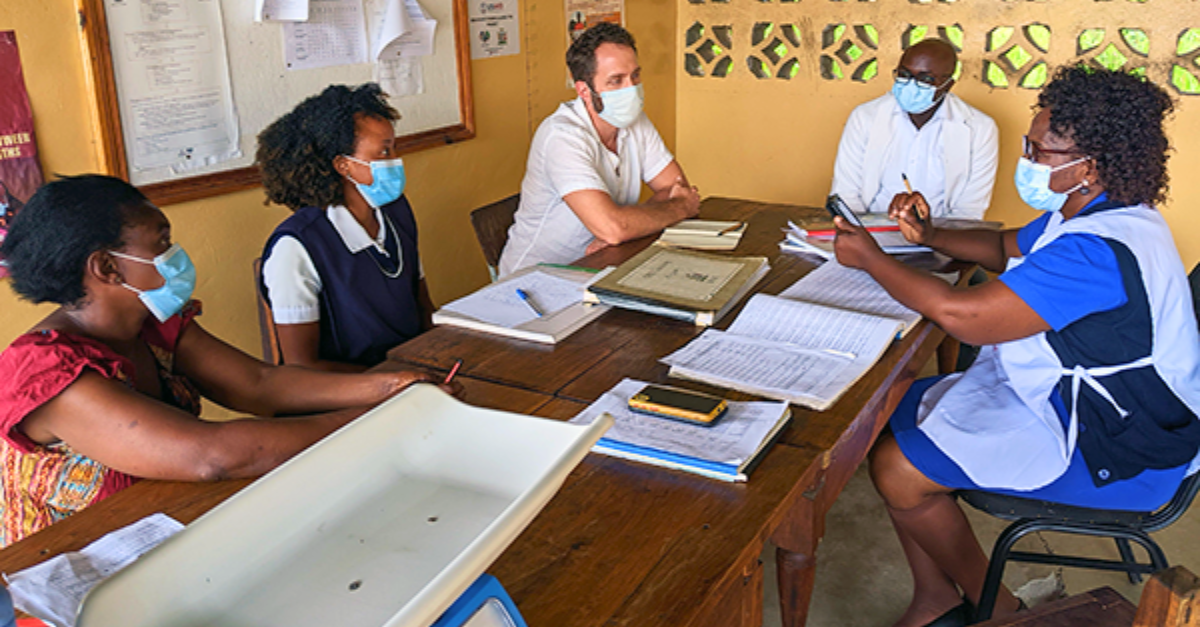
From left to right: Trence Mundawarara, community volunteer; Theresa Ndhlovu, nurse; Jordan Smith, monitoring, evaluation, and learning advisor at MCD; Dr. Kabila Collins, provincial OTSS supervisor; and Mable Chewe, nurse and midwife in blue, at St. Mary’s Hospital in Lufwanyama, Zambia. Photo courtesy of IM Zambia.
In 1966, as medical breakthroughs transformed care in the U.S., many rural communities still couldn’t benefit from them. A group of Maine health leaders founded Medical Care Development, Inc. (MCD) with a simple belief: every community deserves access to high-quality health services, no matter its size, geography, or resources.
That purpose still matters. Rural areas continue to face long travel distances, staffing shortages, and the challenge of turning good ideas into everyday practice.
MCD’s President and CEO, Cristine Betters, reflects on how the organization’s mission still holds true today. “Over the years, MCD has helped strengthen rural health and the workforce in Maine and beyond and has long used technology, including early telehealth, to connect local providers with needed expertise.”
Strengthening the health workforce means our local clinics and hospitals can recruit, train, and keep enough nurses, doctors, EMTs, community health workers, and public health staff, so that people are more likely to get timely checkups, manage chronic conditions, and receive early treatment before problems become emergencies.
A stable workforce also protects families from the hidden costs of rural care, whether it is hours on the road, missed work, delayed appointments, or the stress of not knowing if a provider will be there next month.
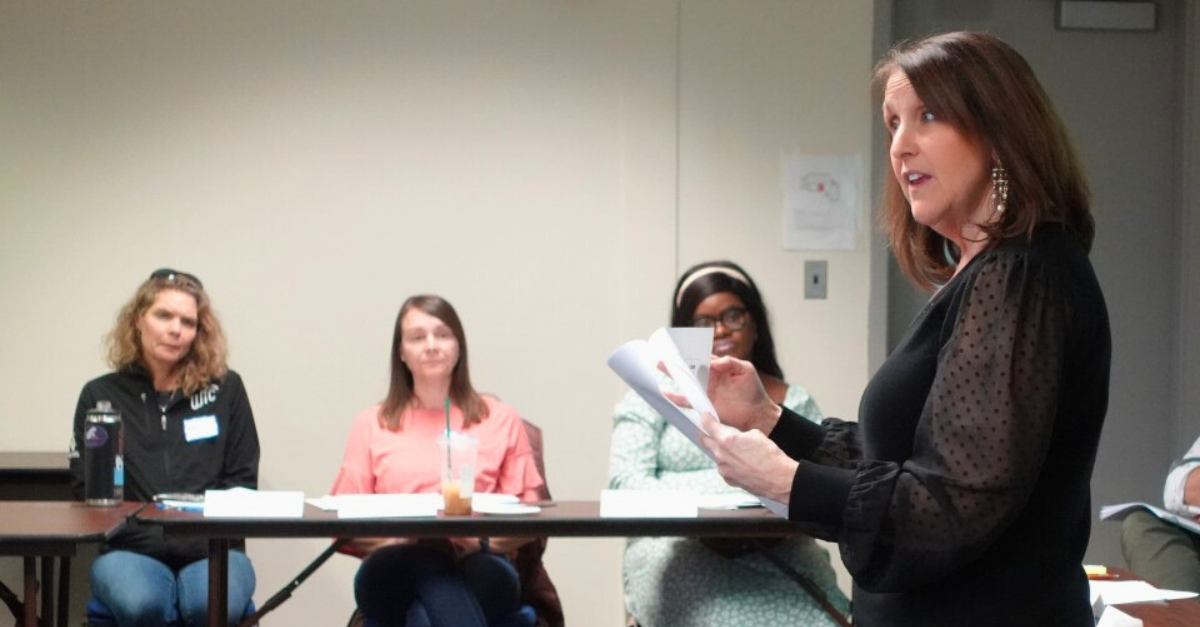
MCD hosts training for supervisors of community health workers in Maine.
Today, MCD helps organizations build the skills and systems they need to deliver care and public health services. The support is practical and flexible, whether it is short consultations, workshops, ready-to-use resources, online custom training, and help measuring what’s working; it is designed with rural constraints in mind.
One example is online learning. Since 2014, MCD has grown its eLearning work to more than 20,000 users across 50 states and 33 countries, covering topics from infectious disease response to chronic conditions. In 2024 alone, the team produced 36 hours of self-paced training for multiple U.S. partners in English and Spanish.
That reach is growing with MCD Learn, a single home for training that was formally spread across several project sites. It offers a broad catalog of self-paced courses and makes it easier for partners to launch their own training spaces without building everything from scratch.
Globally, MCD pairs training with follow-up so new skills stick. In Equatorial Guinea, for example, the OTSS model for malaria care uses trained supervisors to observe practice, coach in real time, and track progress with simple digital checklists. The lesson carries across settings: a class is a start, but ongoing support is what turns training into consistent performance.
Closer to home, MCD strengthens access to care by supporting telehealth programs through the Northeast Telehealth Resource Center (NETRC). The team helps clinics and community partners set up and improve telehealth visits, choose tools, fit them into daily routines, and understand coverage and rules. Virtual care becomes a dependable option when distance, staffing, or specialty access are barriers.
Across these examples one theme connects 60 years of work: closing the gap between what communities need and what systems can deliver. By building skills and practical support, MCD helps partners grow lasting capacity.