More Than a Learning Series: Supporting Maine’s School-based Behavioral Health Community Through ECHO
July 23, 2026
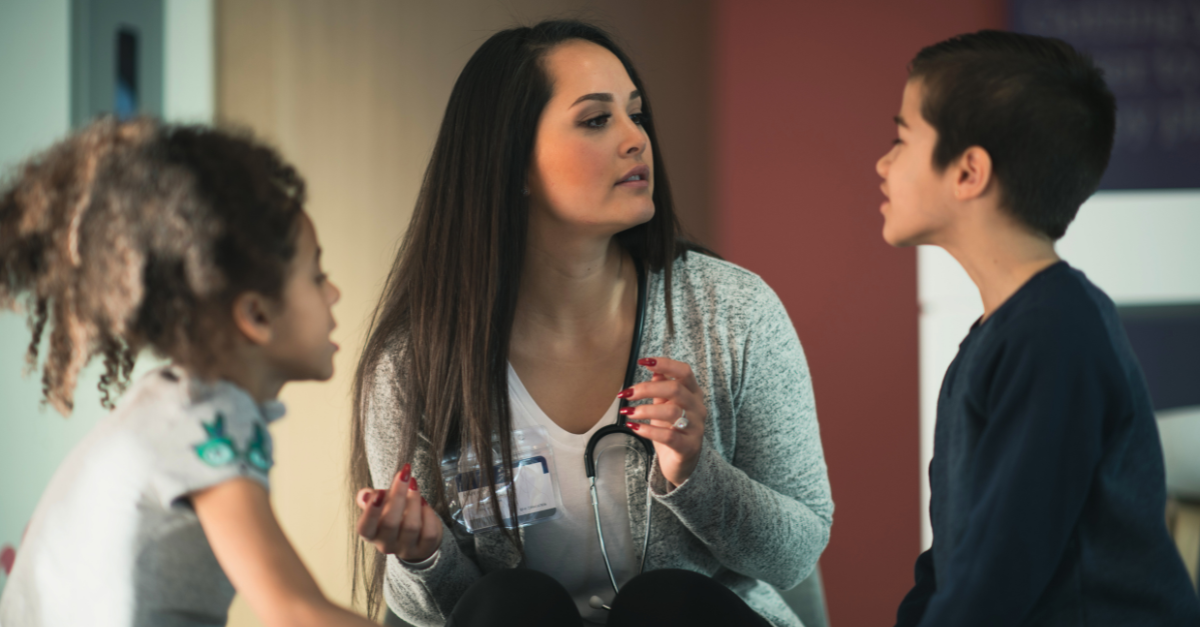
Across Maine, professionals who support student mental and behavioral health in schools and school-based health centers are often among the first people called upon when a young person needs additional support.
That care does not look the same in every community. It may begin in a hallway, classroom, school nurse’s office, counseling space, school-based health center, or through a local partnership shaped by community needs. The structures vary, but the purpose is shared: meeting young people where they are and helping them access care when they need it most.
Through the Maine Pediatric and Behavioral Health Partnership (MPBHP), MCD Global Health supported a six-session school-based behavioral health ECHO series designed to bring many of these professionals together. As a Project ECHO® Hub, MCD helped create a structured learning space where participants could access expert guidance, share de-identified cases, learn from peers, and strengthen school-based behavioral health practice across Maine.
ECHO Creates Room for Connection
The series explored topics central to school-based behavioral health, including pediatric anxiety, COPE and cognitive behavioral therapy skill building, compassion practices, confidential care laws in Maine, and HIPAA/FERPA considerations in school-based settings.
But the series was not only about content … it created a space where professionals working across different roles, regions, and systems could bring real questions, learn from one another, and feel less alone in the work.
“I was especially struck by the commitment participants made to stay engaged throughout the series,” said Sherri Billings, MCD program manager. “My goal was for the final session to be nearly as well attended as the first, and several participants told me they believed that consistent participation could make a difference. We found that it really did.”
Across six sessions, this ECHO reached 78 unique participants, with 246 total attendances, and averaged 41 participants per session. Among end-of-series survey respondents, 100% said the case discussions were valuable to their work and helped them identify support and resources while 95% said they felt more connected to others doing similar work.
Final Session Focused on Success
The final session was designed differently from the sessions that came before it.
Instead of introducing a new clinical or practice topic, the final session made room for stories. The first part featured success stories from subject matter experts and presenters working in different parts of Maine’s school-based care landscape. These stories showed what school-based care can make possible when access, trust, relationships, and coordination come together.
One story showed how a school-based health center helped remove barriers so a student could get the care they needed. Another shared how a safety plan rooted in trust changed what felt possible for a student, caregiver, and school team. A third showed the power of maintaining a trusted connection over time, so care could resume when it was needed again. A fourth featured a school-based health center that became a doorway into care for a student who later helped others understand how to access support.
The details were different, but the themes were connected. Someone noticed, someone thought creatively, someone removed a barrier, someone made a warm connection, and someone followed through.
Because of that, students had another chance to be supported, understood, and cared for.
When Earlier Cases Came Back into the Room
Something else happened.
After the success stories, participants began sharing updates from cases discussed earlier in the ECHO series. These were not new presentations, but were follow-ups, and they showed another kind of success: the kind that becomes visible only after time has passed.
A school-based professional had been deeply concerned about a student in her school. The student’s parents had not consented to ongoing therapy, so the professional could no longer continue to work with the student in the same way, and she lost track of the student. A few weeks after bringing this case to the ECHO, she unexpectedly saw the student in the community and learned that the student was doing well. The moment offered her closure and showed that even when a case feels unresolved, the care and concern brought into the ECHO still mattered.
Another follow-up focused on a student experiencing significant behavioral health and safety concerns amid serious stressors at home and school. The student’s school community also experienced multiple, suicide-related losses over the past few years. The ECHO discussion about this case brought resources and approaches to light that supported not only the student, but also the broader school community carrying grief and stress. Participants shared ideas, tools, and support, including psychological first aid and other ways to respond when a school community is hurting.
A third follow-up reached back to a case several years ago and showed a remarkable degree of change. When the case was first brought forward in an ECHO, the student was difficult to reach. He was struggling academically, rarely engaged in conversation, often answered only “Yes,” “No,” or “I don’t know,” and had difficulty naming or expressing emotions. Even so, he continued to show up to receive support. Years later, ECHO participants heard how much had changed: the student became more connected and engaged, was recognized as Student of the Month, and was praised by a teacher for the strength, dedication, and growth shown through his writing.
Together, these follow-ups showed that the power of case-based learning lives not only in the discussion itself, but in the learning community built around it. Because relationships were sustained over time, participants could return weeks, months, and even years later with updates. That continuity created a fuller picture of impact and showed that the learning, care, and connection did not end when the session did.
More Than a Learning Series
Bringing a case forward matters.
When a student’s story is brought into a caring, thoughtful community, the student is seen more fully. The person carrying the concern is less alone. The group’s shared attention, expertise, and care can reveal new possibilities for support.
“As a child development professional and former mathematics teacher, I know how trauma and behavioral health needs show up in schools in many ways,” Sherri shared. “It is deeply meaningful to now support a statewide effort where people can come together around both the challenges and the successes and feel more connected in the work.”
That may be the deepest lesson of this ECHO series.
The School-based Behavioral Health ECHO made space for the quiet, daily work of school-based care to be seen, strengthened, and shared. It honored the moments when someone notices a student is struggling, a team adjusts a plan, a clinician remains a trusted connection, a community is grieving, and a student finds the courage to ask for help.
That is more than a learning series — it is public health in action.
More information:
- To learn more or get involved, visit bhpartnersforme.org.
- To access learning materials from the MPBHP ECHO sessions and webinars, visit Teleheatlh Classroom. Create a free account, and then, on the Course Dashboard, select The MPBHP Toolkit and Library.