Strengthening Collaboration to Improve HIV Care in Gabon
December 2, 2025
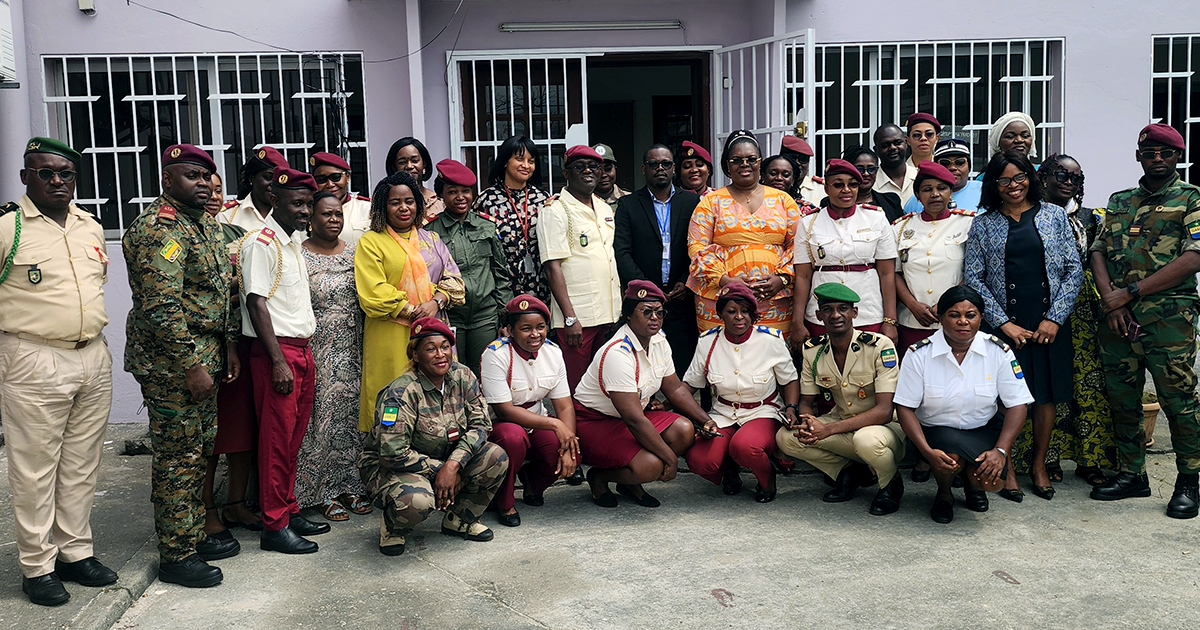
Group photo of PNLIST, PMLS, MCD, and DHAPP during the workshop to present the joint supervision results in July 2025.
For more than a decade, Gabon has made HIV/AIDS a national health priority. The country has seen real progress with a 47% drop in new infections and a 32% reduction in AIDS-related deaths between 2010 and 2024, according to UNAIDS HIV. Despite these gains, Gabon still falls behind regional averages and the global targets set by UNAIDS. Reaching the next stage of improvement requires stronger systems, deeper collaboration, and solutions that benefit everyone, including those serving in the military.
The U.S. Defense HIV/AIDS Prevention Program in Gabon (DHAPP), implemented by MCD Global Health, supports the country’s Military Program for the Fight Against HIV/AIDS (PMLS, French acronym). Through a network of military hospitals and health centers, the program provides prevention, testing, and treatment services for Gabonese service members, their families, and the wider public.
However, lasting progress can only happen when the military and national health systems work together in stride. Over the past year, DHAPP has helped strengthen collaboration between PMLS and the National HIV/AIDS Program (PNLIST, French acronym) to improve coordination, increase efficiency, and ensure consistent care across the country.
Partnership in Action
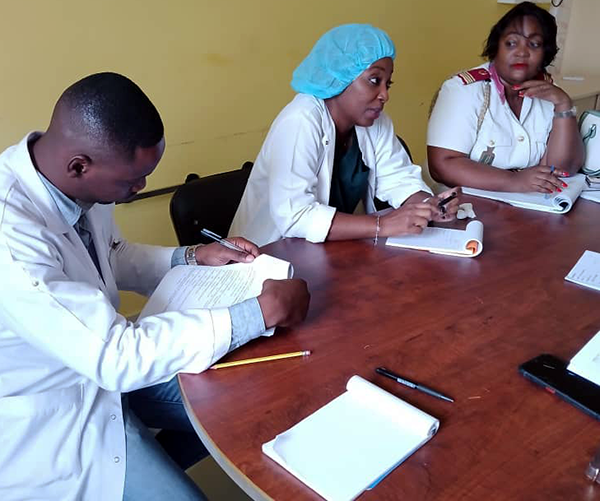
Joint PMLS and PNLIST supervision at the HIAA site Department of Medicine in July 2025.
With DHAPP support, the collaboration took an important step forward in January 2025 when DHAPP, PMLS, and PNLIST agreed to conduct joint supportive supervision visits to military health facilities, with the first of these taking place in July 2025.
A team of experts from both programs conducted joint supervision in two major military training hospitals, several infirmaries, and five maternal and child health centers. Their mission was to understand what was helping or hindering quality HIV services on the ground.
The findings highlighted several challenges, particularly delays in starting antiretroviral therapy (ART) for people newly diagnosed with HIV. Many of the challenges were mostly structural: issues that required decisions and actions at a higher level.
For issues that required more immediate action at the facility level, DHAPP and PMLS leadership then developed corrective plans for each facility, ensuring that solutions were practical, realistic, and driven by those working directly in the health system.
Building Momentum
The success of this first supervision created strong momentum. In April 2025, PMLS and PNLIST committed to continuing these visits every six months and soon expanded the collaboration. A joint supervision with Gabon’s National Tuberculosis Control Program is set for this month, reflecting a recognition that quality of care crosses administrative boundaries.
Additionally, DHAPP is helping improve access to essential supplies. Discussions are underway with the national procurement agency to shift the purchase of HIV prevention and treatment commodities, such as condoms, from military purchasing to national systems. This transition will strengthen supply chains, improve consistency, and support long-term sustainability.
Reliable data is key to understanding where progress is happening and where needs remain. To support this, DHAPP has trained military health staff to use SANTIA, a PNLIST electronic patient-based file. This step will help integrate military HIV data into national reporting, reduce fragmentation, and support stronger public health decision making.
A Step Toward Long-term Impact
For Gabon, this work represents more than administrative improvements; it strengthens the health system and directly affects the lives of people who rely on it for care.
“DHAPP prioritizes optimizing local systems to ensure better sustainability of the HIV response program,” said Luc Armel NKALA MFOULOU, DHAPP’s project director. “What we have accomplished is only a small step for the project, but a giant leap for the long-term sustainability of quality HIV care within the military health system, and, above all, a transformational initiative that will save more lives.”