Seasonal Malaria Chemoprevention Alleviates Malaria Burden on Children
March 4, 2026
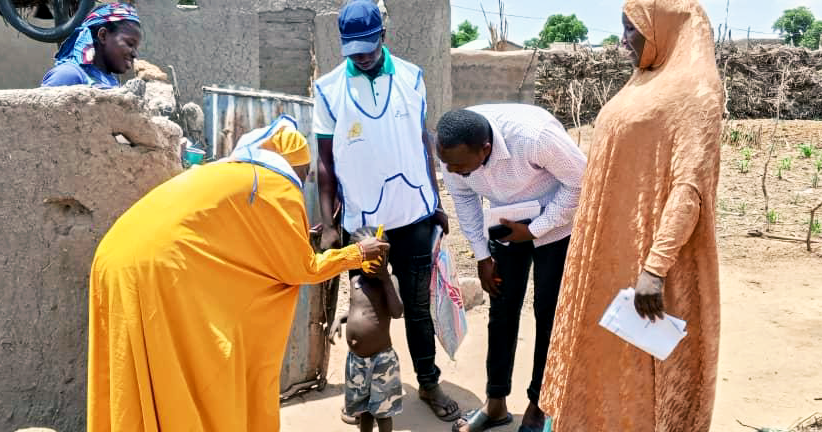
Supervision of the first dose of SP+AQ in a household at the Birni 2 Health Center, Boboye Health District in Niger.
In Niger, malaria is endemic, accounting for 3% of global malaria cases, 5.8% of global deaths due to malaria, and 6% of malaria cases in West Africa, according to the World Health Organization’s 2025 World Malaria Report.
One life-saving intervention involves the highly effective, safe, and cost-effective seasonal malaria chemoprevention (SMC) strategy, which involves administering antimalarial drugs to children at 28-day cycles during the peak malaria transmission season to prevent illness and death.
MCD Global Health is part of a consortium, led by Palladium, that was awarded the five-year Advancing Health and Malaria Services Program in Niger (AHMS Niger). This program aims to increase the coverage and use of key life-saving malaria interventions in support of Niger’s National Malaria Strategic Plan and build the human resources capacity of the National Malaria Control Program (NMCP).
Through this program, the consortium supported the SMC campaign in 2025 from June through September. MCD provided technical leadership support to the NMCP for the planning phase.
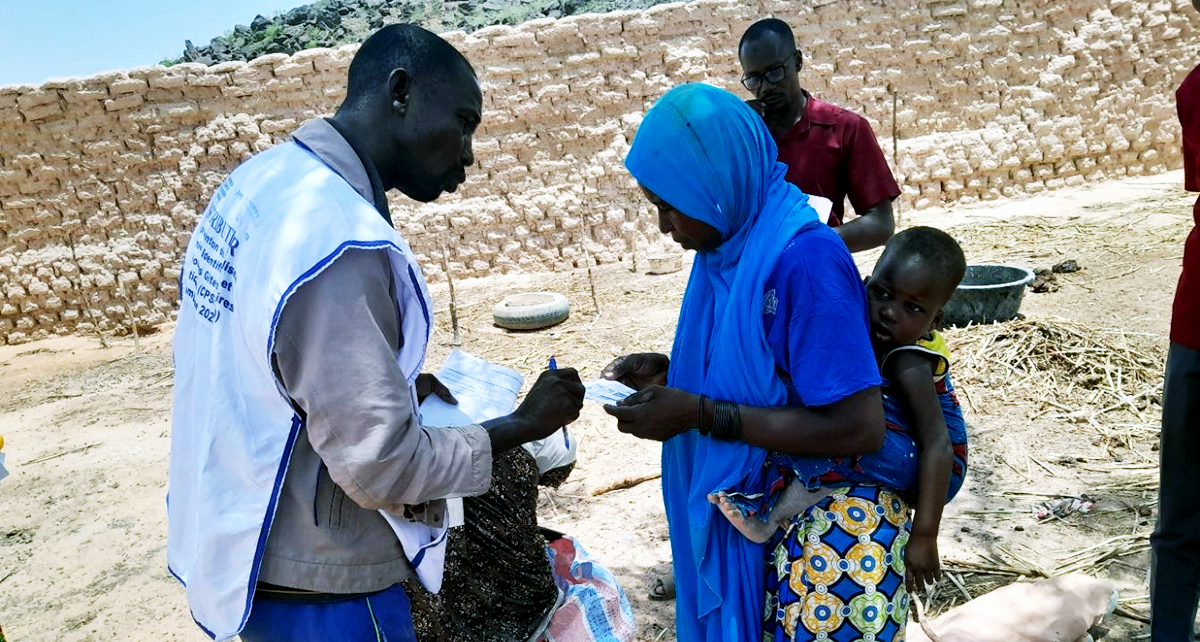
A distributor explaining the importance of continuing with the second and third doses and marking the treatment card in Tahoua, Niger.
The SMC campaign involved a four-day distribution of Sulfadoxine-Pyrimethamine + Amodiaquine (SP+AQ) to children aged 3 to 59 months across 18 districts in Dosso and Tahoua. These efforts resulted in a 94.5% coverage rate for children in those districts.
Typically in Niger, women are tasked with maintaining the health and well-being of their families, especially children. SMC helps empower mothers to protect their children from malaria.
In June 2025, Djamila Abdou, mother of 1-year-old Ali Oumarou, visited her sister Mariam, who lives in the village of Follakam. Both women belong to a nomadic tribe. During the visit, Djamila shared her concern about malaria, a constant threat to her children’s health, especially during the rainy season when they often fall ill, which breaks her heart.
Mariam reassured her sister sharing that every year, teams come to the village to distribute medicines to prevent malaria.
“Today is the last day of this round of distributing those medicines," she shared. “Last year, my children took these medications during the successive campaigns and rarely got sick with malaria.”
Encouraged by Mariam’s experience, Djamila approached the community health workers to learn more about the level of protection, possible side effects, risks, and what to do if her child showed symptoms after the campaign ended.
Reassured by both Mariam’s experience and guidance she received from the community health workers, Djamila felt more determined than ever to give her child the SP+AQ medication provided by the distributors.
“I am the guardian of the health of my three young children, and I’m committed to see the distributors at every round from now on,” said Djamila. She immediately scheduled appointments so her other children could receive their doses of SP+AQ.
Djamila felt a mix of excitement and anxiety when taking her children to see the distributors. Proud of her decision, she shared her experience with other mothers in her village.
“I’m relieved to see that my children didn’t experience any major side effects. I’m looking forward to giving them the next doses during the upcoming rounds,” she shared.
Realizing that every small action counts toward preventing malaria, Djamila also led efforts in identifying and destroying mosquito breeding sites around her home.
By reaching thousands of children during peak transmission months, the campaign has significantly reduced preventable illness and deaths and meeting the needs of mothers, like Djamila. The campaign also reinforced Niger’s commitment to accelerating progress toward malaria control and protecting its most vulnerable populations.