Rebuilding Trust in Lifesaving Malaria Testing
July 10, 2026
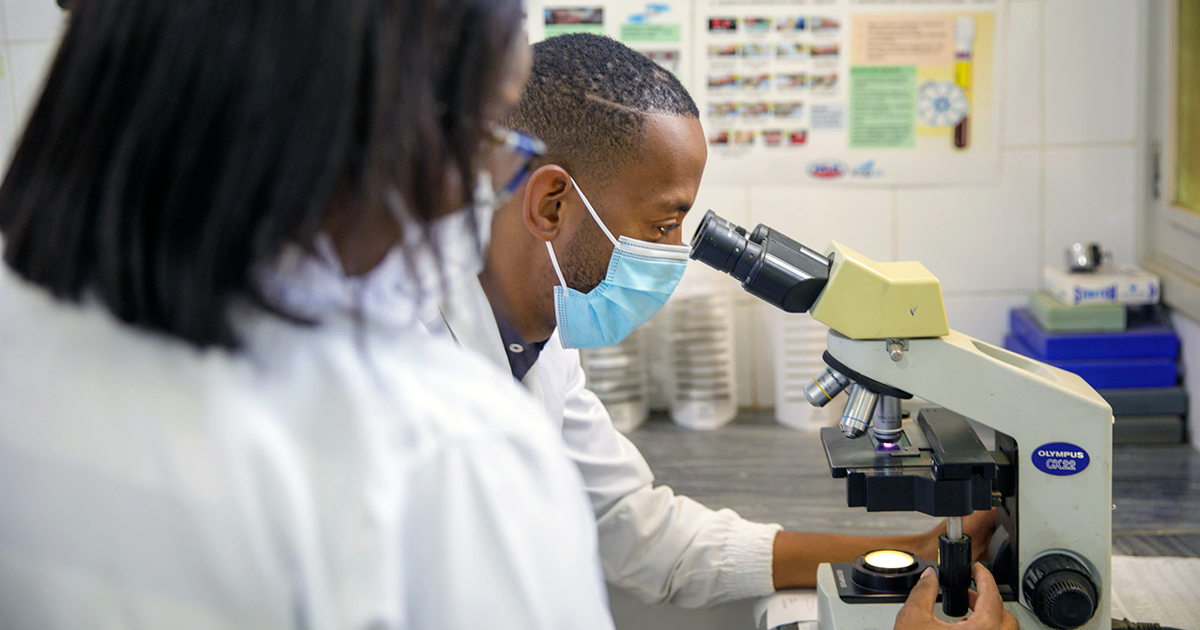
From setbacks to stronger systems, health workers in Mozambique are restoring confidence in malaria diagnosis.
Mozambique, one of six countries accounting for more than half of all global malaria cases, diagnosed 11.3 million cases in 2020 alone; however, in the Zambézia Province, the system that ensures accurate malaria microscopy was recently put to the test and is making a strong comeback.
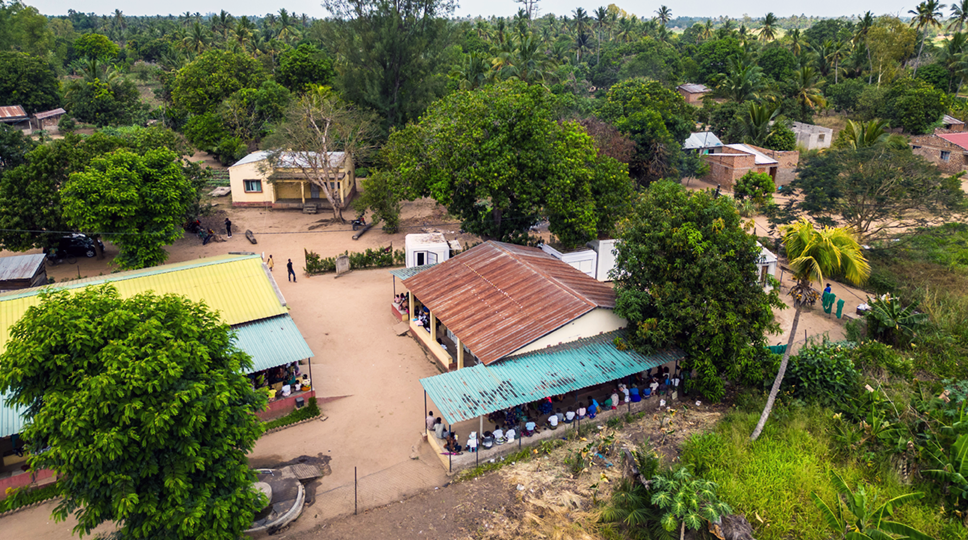
An aerial view of a community clinic in Mozambique.
A System Under Strain
Across Mozambique, national guidelines require that every suspected malaria case be confirmed through diagnostic testing. But keeping testing accurate and reliable isn’t simple; it depends on well-trained lab staff, consistent oversight, and up-to-date tools.
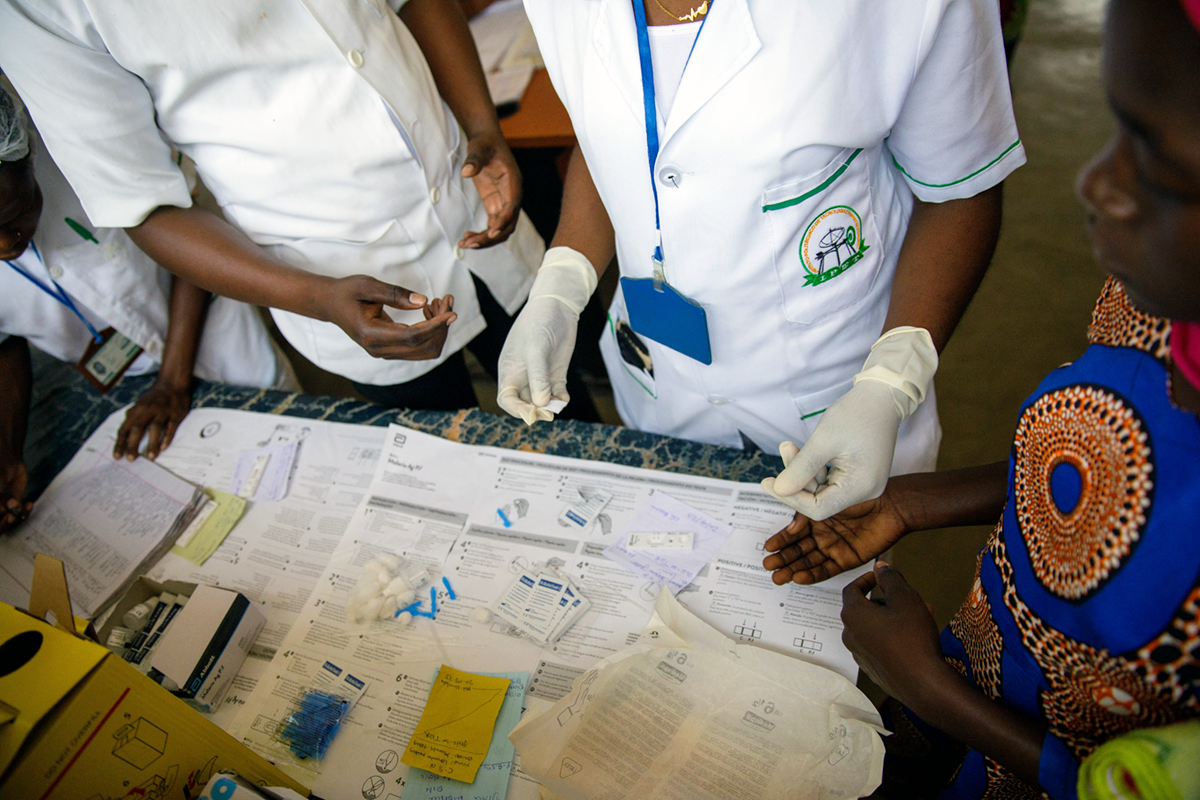
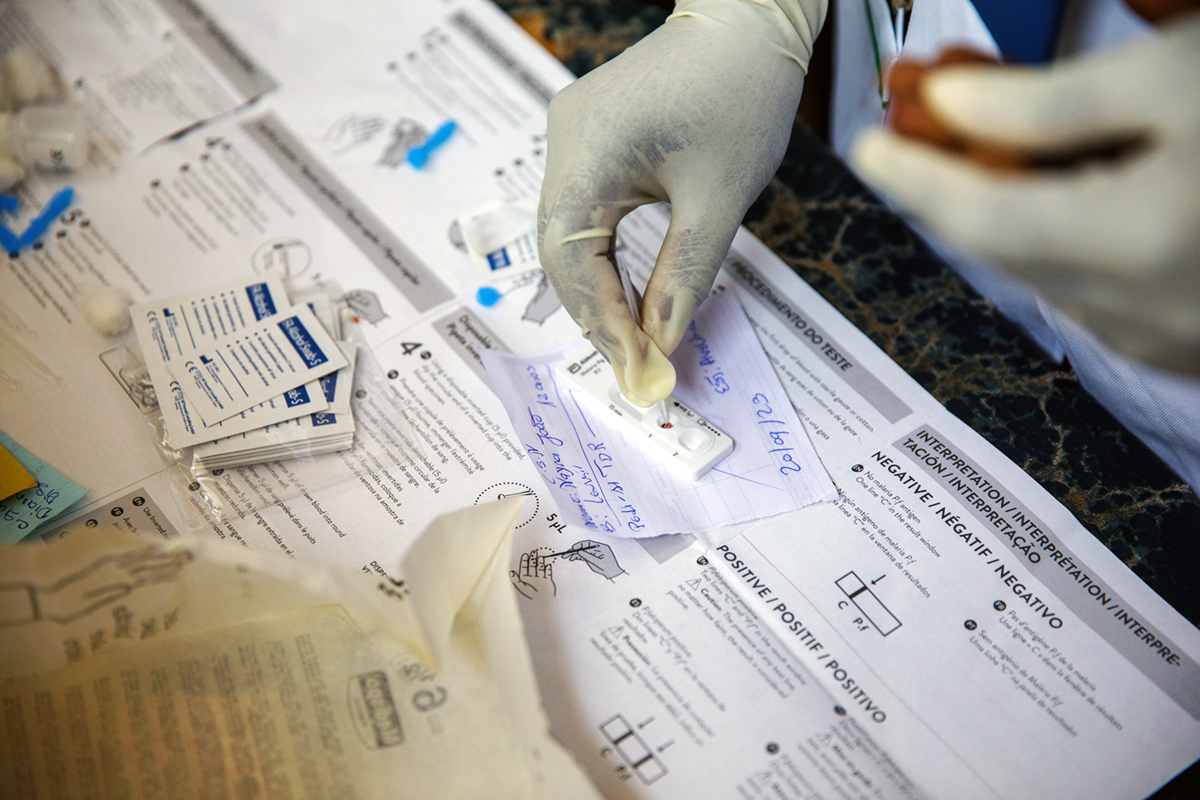
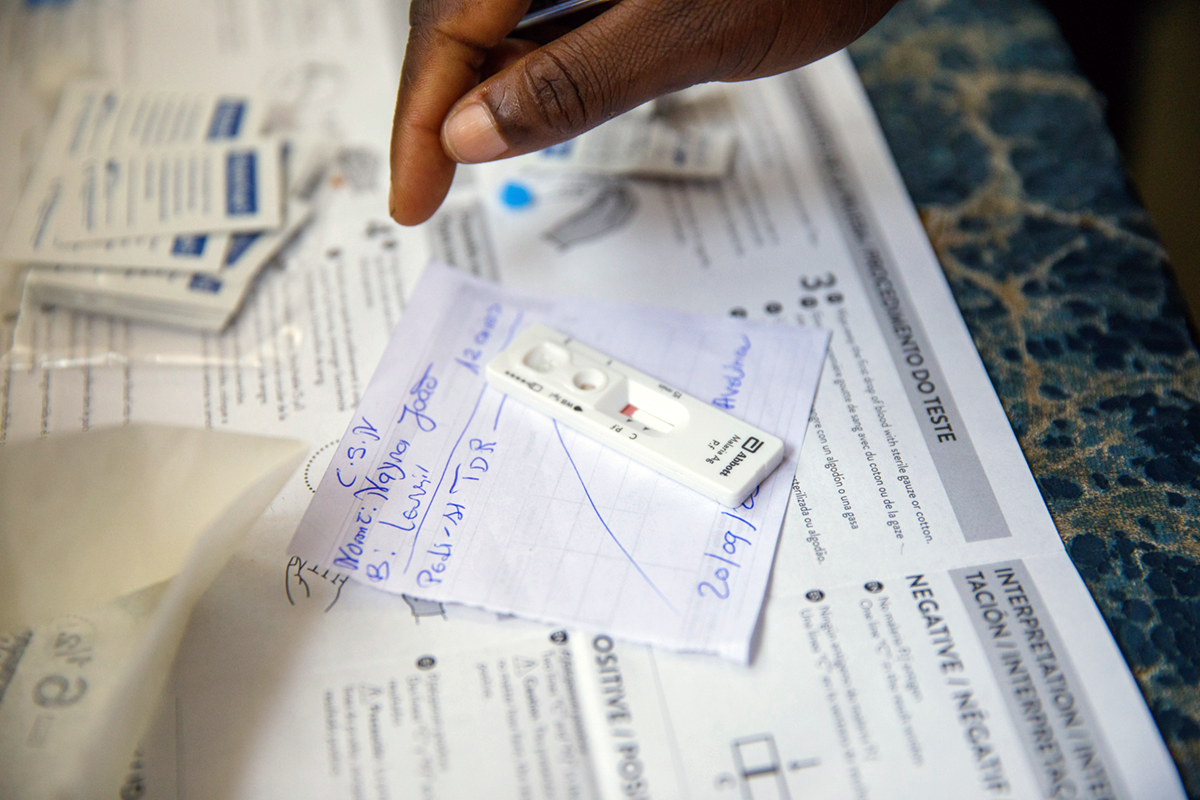
Specifically, healthcare providers are required to perform a malaria rapid diagnostic test (mRDT) for all suspected cases while microscopy is used to resolve uncertain diagnoses, assess disease severity, and monitor treatment response. To ensure these services are accurate and reliable, there needs to be sustained investment in a skilled laboratory workforce, routine quality assurance, supervision systems, and access to updated tools and references.
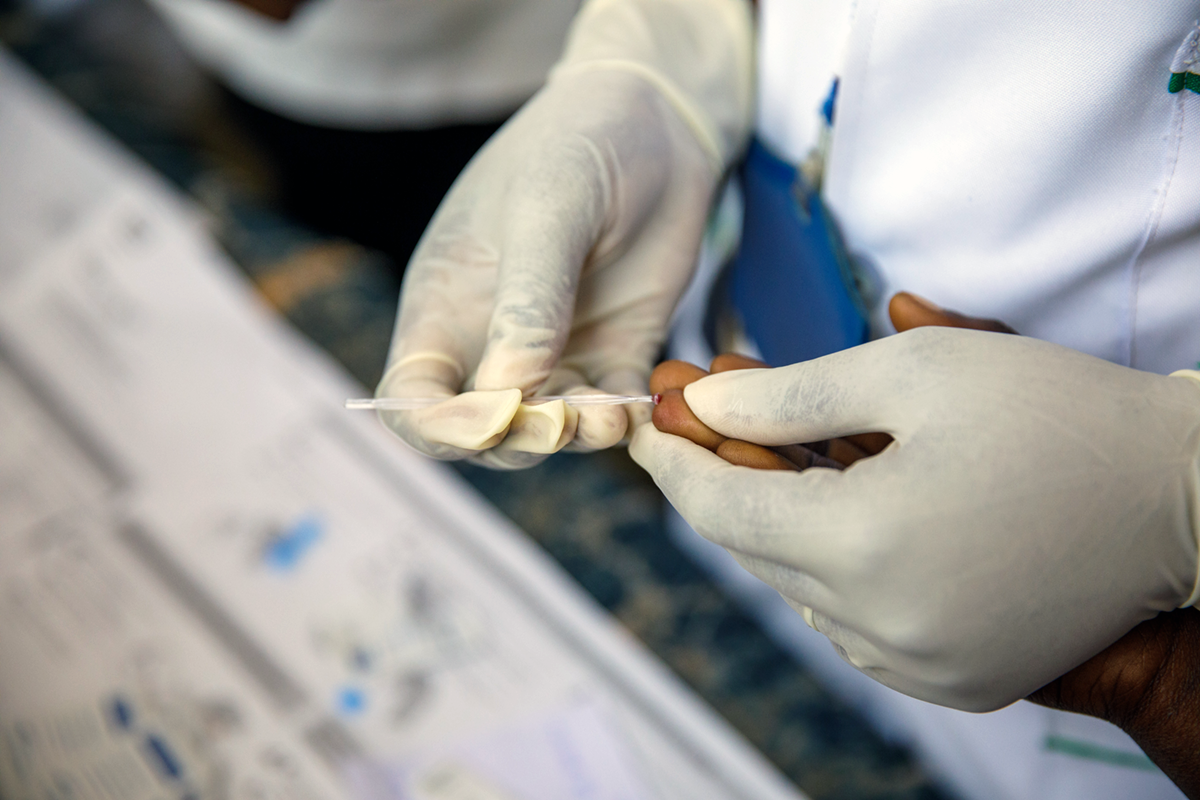
Testing a patient's blood with a malaria rapid diagnostic tool
In Zambézia, many of these pieces have fallen out of place over the past couple of years. A 2023 joint assessment by MCD Global Health, the Mozambique Ministry of Health (MOH), and the National Institute of Health found that:
- Lab technicians hadn’t received regular skills assessments.
- Quality checks had become irregular.
- Experienced staff had left, taking knowledge with them.
- Key guidelines and training materials weren’t always available.
Because of these systemic challenges, lifesaving quality controls, like double-checking test results, weren’t happening consistently, raising concerns about the reliability of malaria diagnoses across the province.
A Plan to Turn Things Around
To rebuild the system, national health authorities and MCD’s Malaria Capacity Strengthening Program (MCAPS), funded by the U.S. Department of State, launched a focused effort to rebuild the MOH provincial quality assurance system capacity at the decentralized level by strengthening both the workforce and processes with the goal of saving more lives.
Their approach had two main goals:
- Update and standardize systems by improving access to national guidelines and procedures.
- Strengthen lab technicians’ skills through training and national certification.
A key part of this effort was rolling out a national assessment program for malaria microscopy skills, known as National External Competency Assessment of Malaria Microscopists (nECAMM). This program tests and certifies technicians on one of the most important steps in diagnosis: their ability to correctly identify and quantify malaria parasites under a microscope. Following earlier training efforts, 13 technicians were already qualified to run these assessments nationwide.
The next step was to refresh their skills to better support other laboratory technicians in Zambézia through supportive supervision. During these visits, supervisors provided on-the-job training based on identified competency gaps from the assessments and delivered targeted feedback and mentoring to support continuous improvement in malaria microscopy practices.
A Turning Point in Zambézia
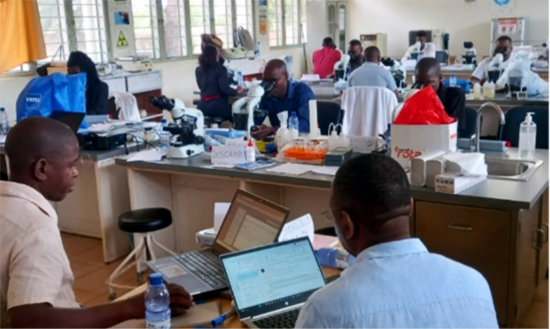
A six-day training and certification session took place in December 2025.
In December 2025, the MOH National Malaria Control Program, with support from MCD, held a six-day training and certification session to revive the province’s quality assurance system.
Thirteen provincial technicians were assessed. By the end:
- Two technicians achieved certification levels that allow them to supervise and lead quality checks.
- The province regained the ability to run standardized oversight activities.
The remaining technicians continue to grow their skills and knowledge with continued mentoring, training, and supportive supervision.
One Technician’s Impact

For Jeremias Bunia (image at right), a laboratory technician with nearly a decade of experience, the training was transformative. Before participating, he struggled with some of the most complex aspects of malaria diagnosis: identifying parasite types and measuring infection levels.
After earning his certification, his confidence grew.
“Receiving the certificate made me feel valued, recognized, and ready to fulfill my mission,” he said.
He didn’t stop there. Back at his lab, Jeremias began training his colleagues, helping them improve how they read test slides and resolve discrepancies.
“My colleagues felt committed to the activities once I had been certified,” he added.
Results Already Taking Shape
With certified supervisors back in place, Zambézia is rebuilding its quality assurance system:
- Twenty-eight laboratories are once again participating in routine double-checking of test results.
- Supervision visits have resumed, reaching 36 laboratories so far.
- Lab teams are receiving ongoing feedback to improve their work.
- Standard operating procedures for malaria microscopy are available and disseminated through training sessions and job aids.
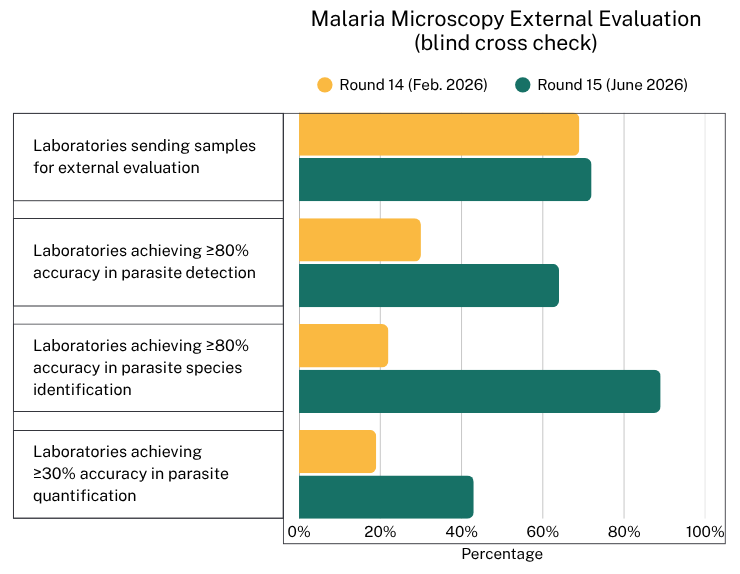
Improvements in laboratories’ compliance and competencies.
These steps help restore confidence not just among lab staff, but also among clinicians who rely on test results to treat patients.
Jeremias says continued support is key: “Supervision helps us keep improving, and training is essential to maintain strong quality systems.”
These improvements also contribute to global health security by strengthening laboratory networks, diagnostic supply chains, disease surveillance, and community health workforces required to contain and manage outbreaks. The ability to accurately diagnose malaria is also helpful in avoiding misdiagnoses of other fever-related illnesses.
Looking Ahead
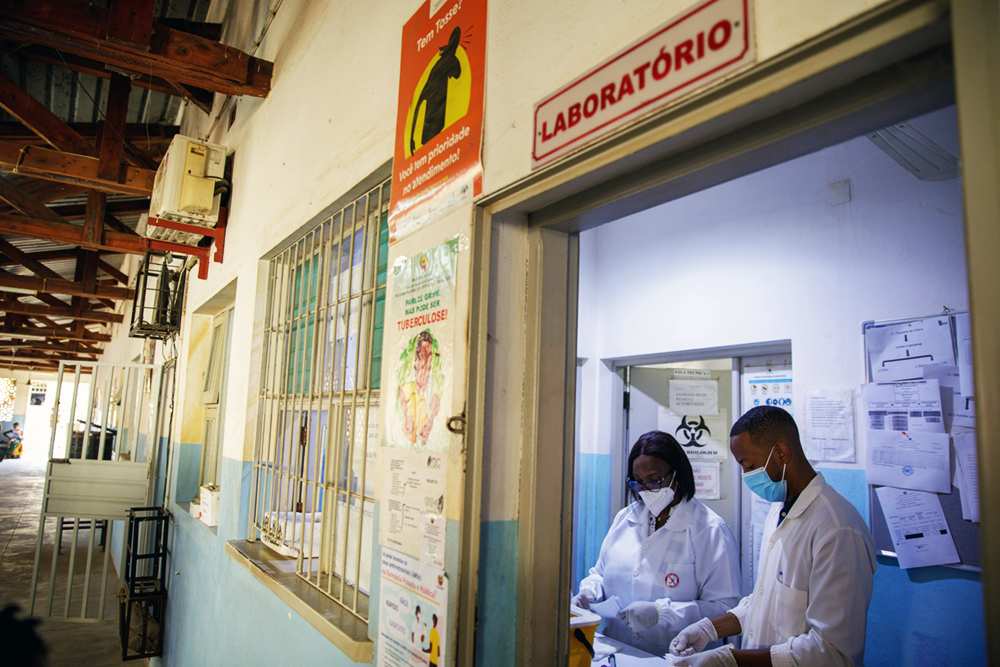
Technicians standing outside a laboratory entrance.
The progress in Zambézia is part of a broader effort to strengthen malaria diagnosis across Mozambique.
Next, MCAPS and its partners plan to:
- Track how well labs maintain high standards over time.
- Support model laboratories that serve as training hubs.
- Continue building local expertise so improvements last.
A Stronger Foundation for the Future
Zambézia’s experience shows that reliable malaria diagnosis takes more than equipment; it requires skilled professionals, consistent systems, and ongoing support.
By investing in both people and processes, Mozambique is laying the groundwork for more accurate diagnoses, better treatment, and ultimately, fewer lives lost to malaria.