Staying Consistent with Changing Technologies: MCD’s History with Telehealth
September 23, 2026
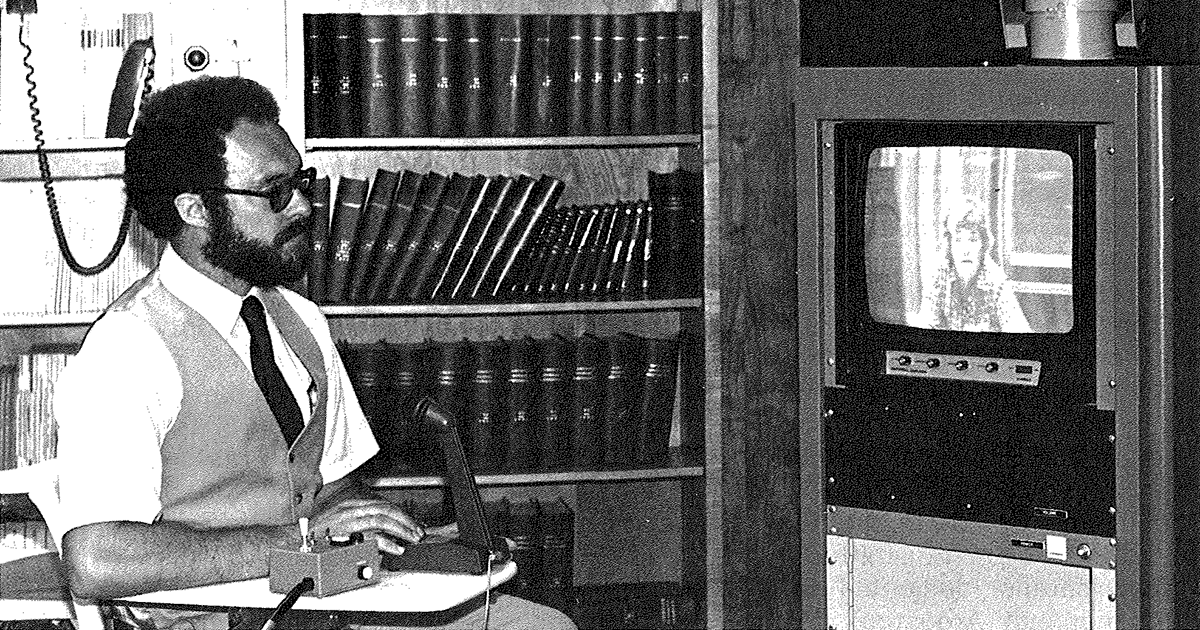
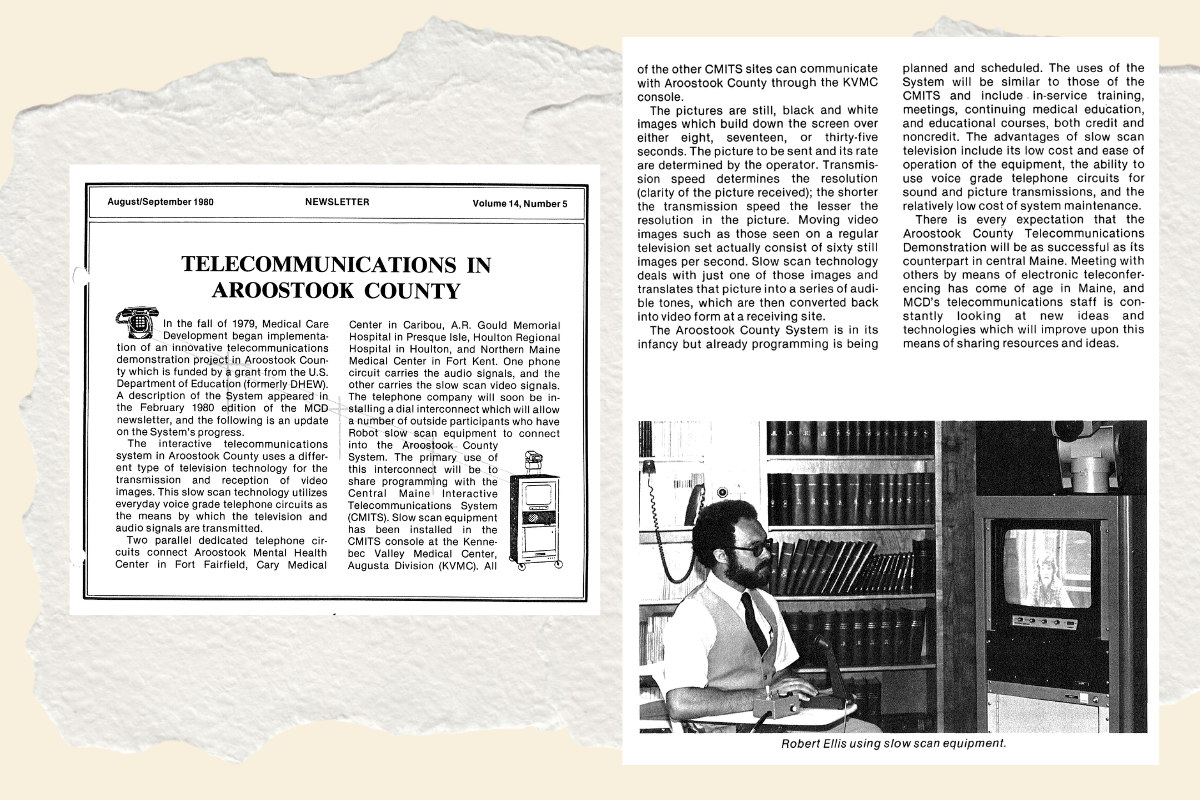
Robert Ellis using slow-scan equipment in the '70s.
For 60 years, MCD Global Health has helped pioneer new ways to connect people to health. Our goal? To make health expertise, education, and care accessible regardless of where people live.
From interactive television and satellite learning networks to telehealth, virtual chronic disease management, regional telehealth leadership, digital health innovation, and AI, MCD has consistently used technology to overcome geographic barriers to care.
This commitment expanded in 2004 with the launch of a telephonic diabetes education program and grew further in 2011 when MCD became home to the Northeast Telehealth Resource Center (NETRC), helping healthcare organizations across the Northeast adopt and advance telehealth.
Together, these efforts reflect a long-standing mission: ensuring that distance is never a barrier to health, learning, or care.
Explore MCD's Telecommunications & Telehealth Innovation Journey:
- 1970s: Connecting Isolated Communities
- 1980s: Building Statewide Learning Networks
- 1990s: Moving from Education to Information Systems
- 2000s: Direct-to-patient Virtual Services
- 2010s: Regional Telehealth Leaders
- Today: Transforming Rural Health Through Digital Infrastructure and AI
1970s: Connecting Isolated Communities
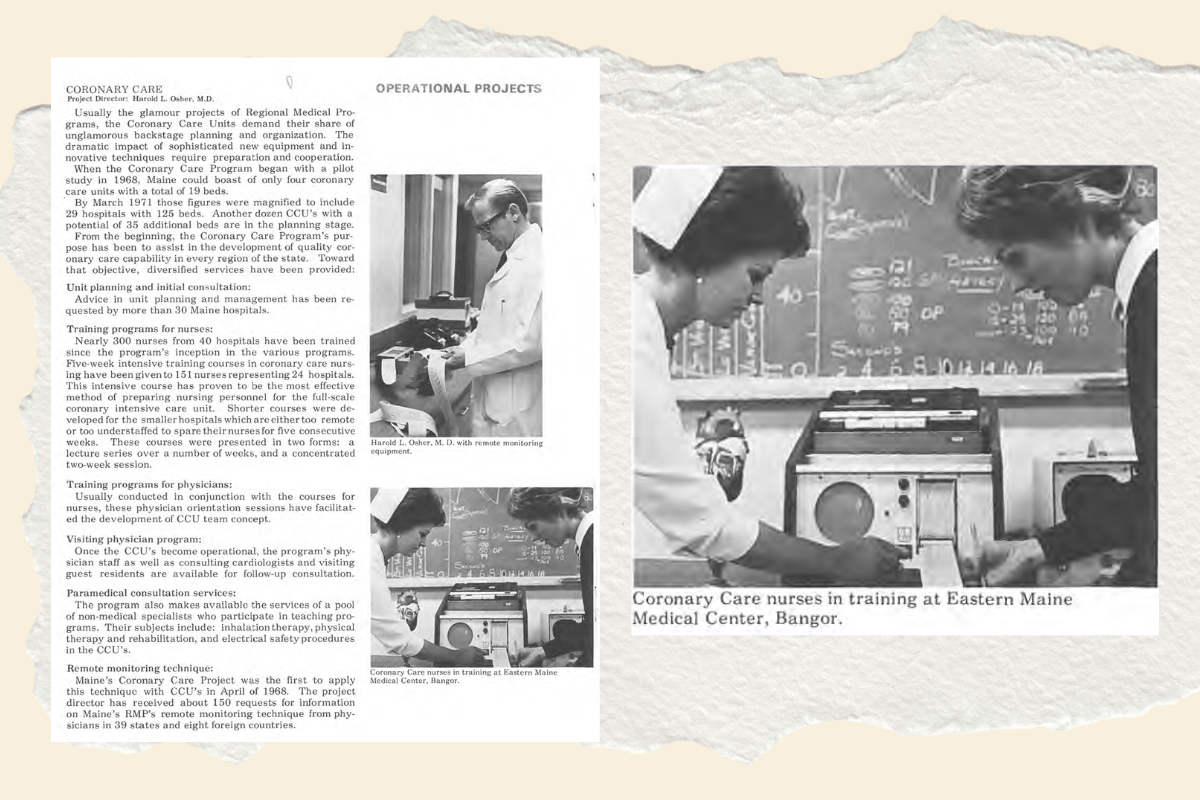
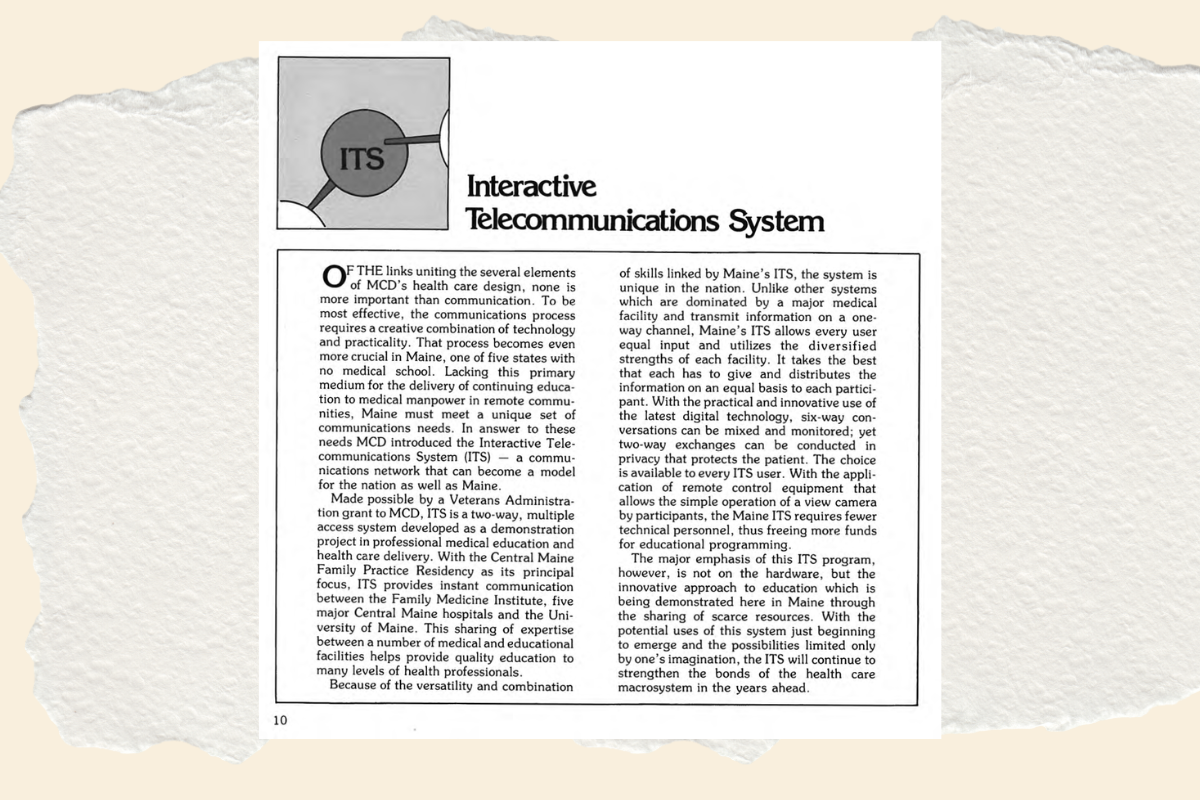
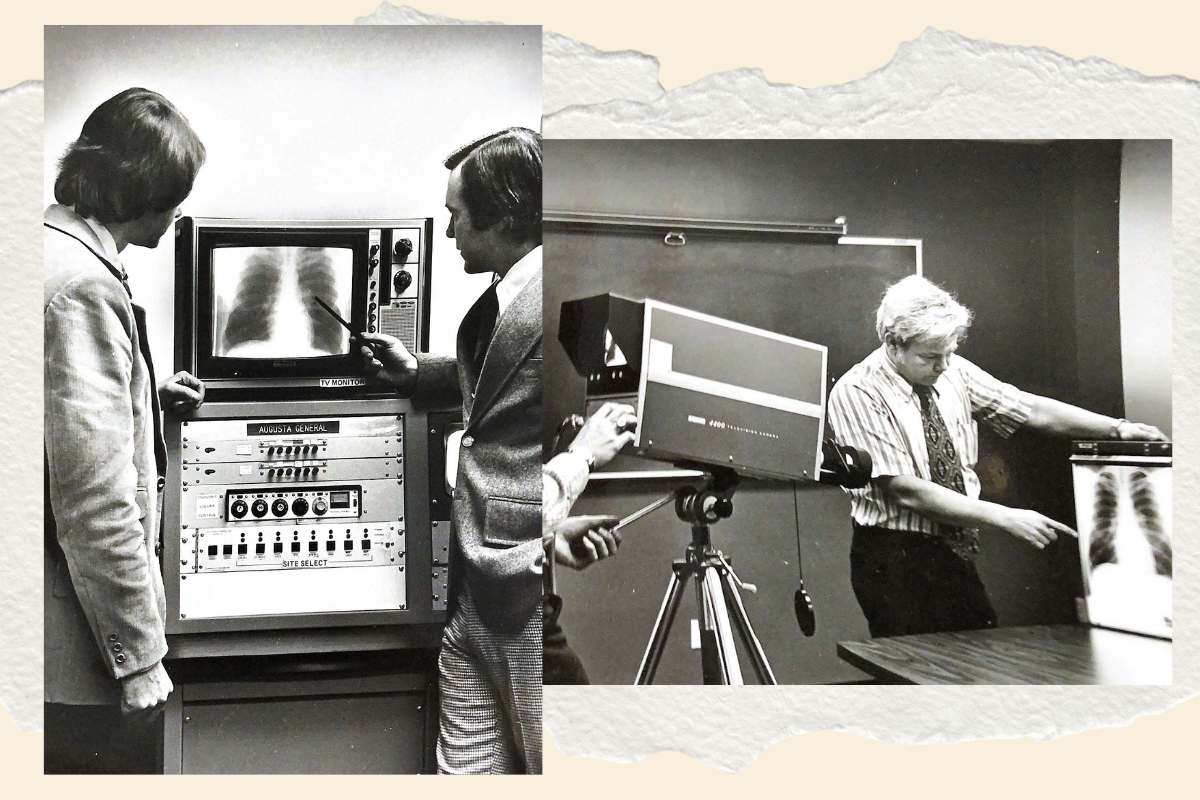
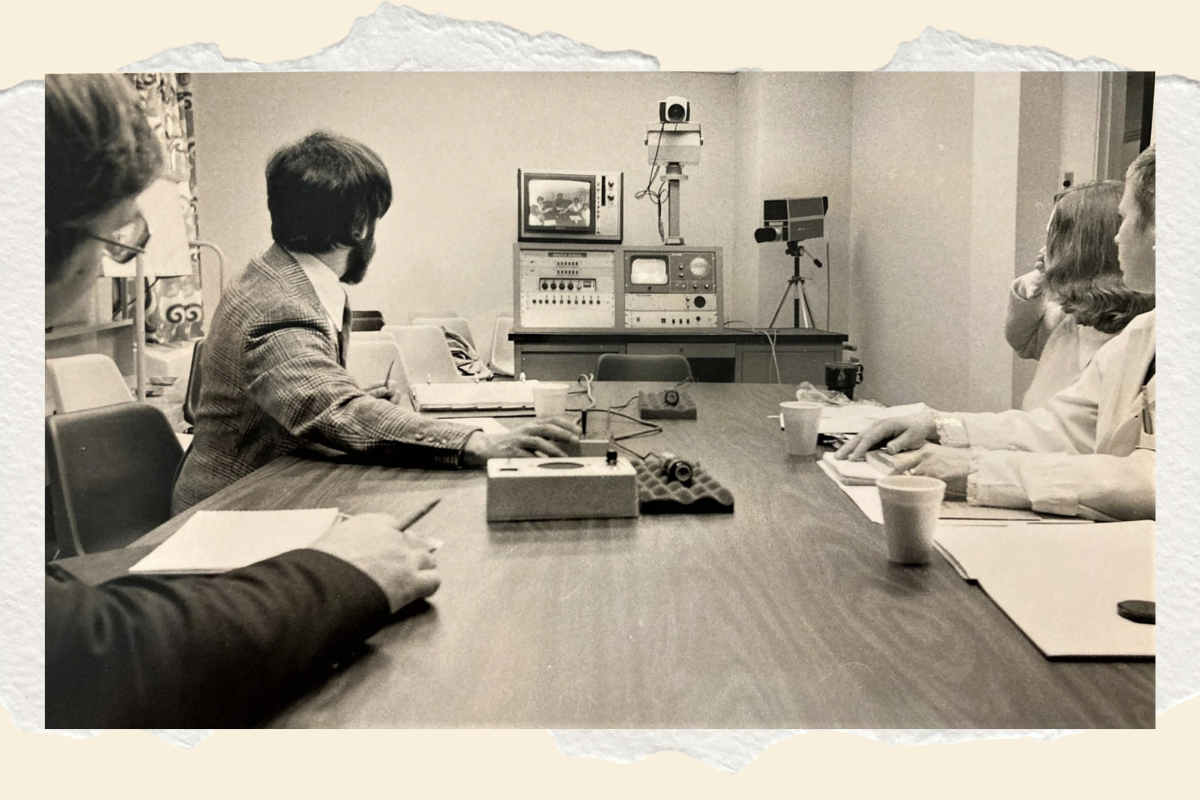
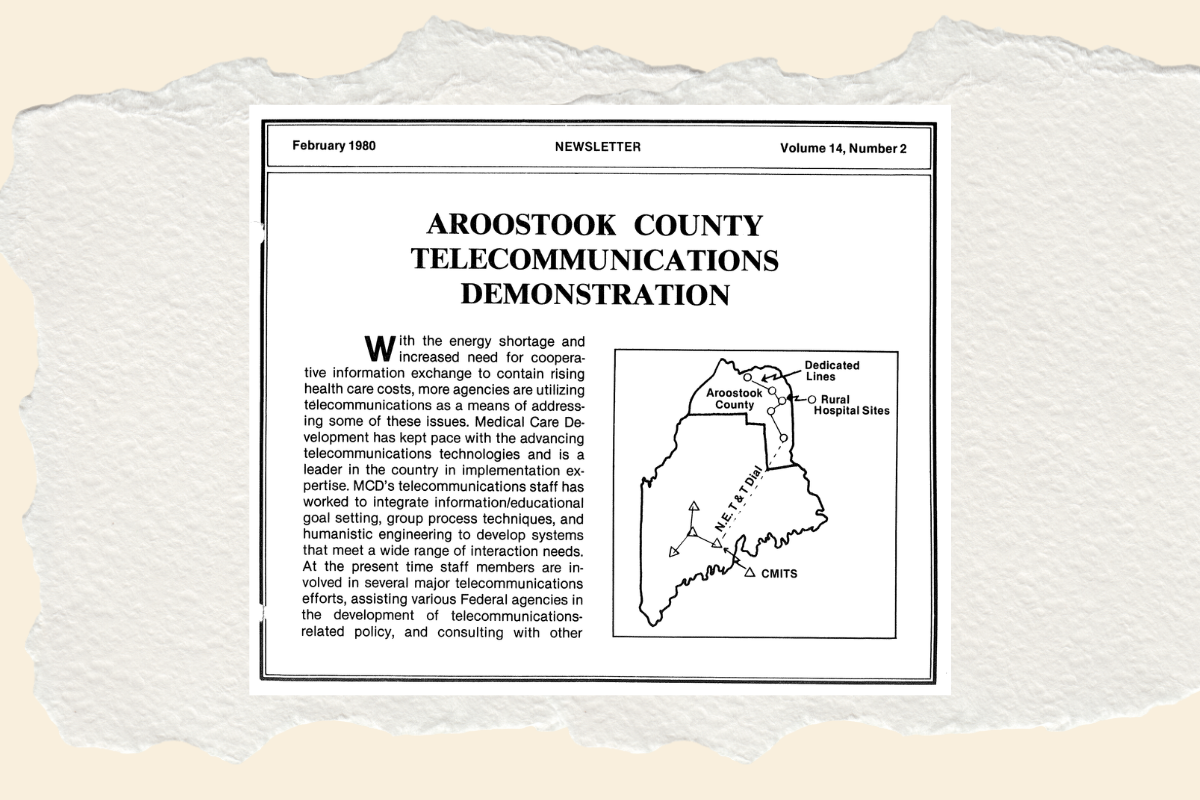
MCD's earliest telecommunications-related work was rooted in a simple challenge: many Maine communities were geographically isolated from specialty care, educational resources, and clinical expertise.
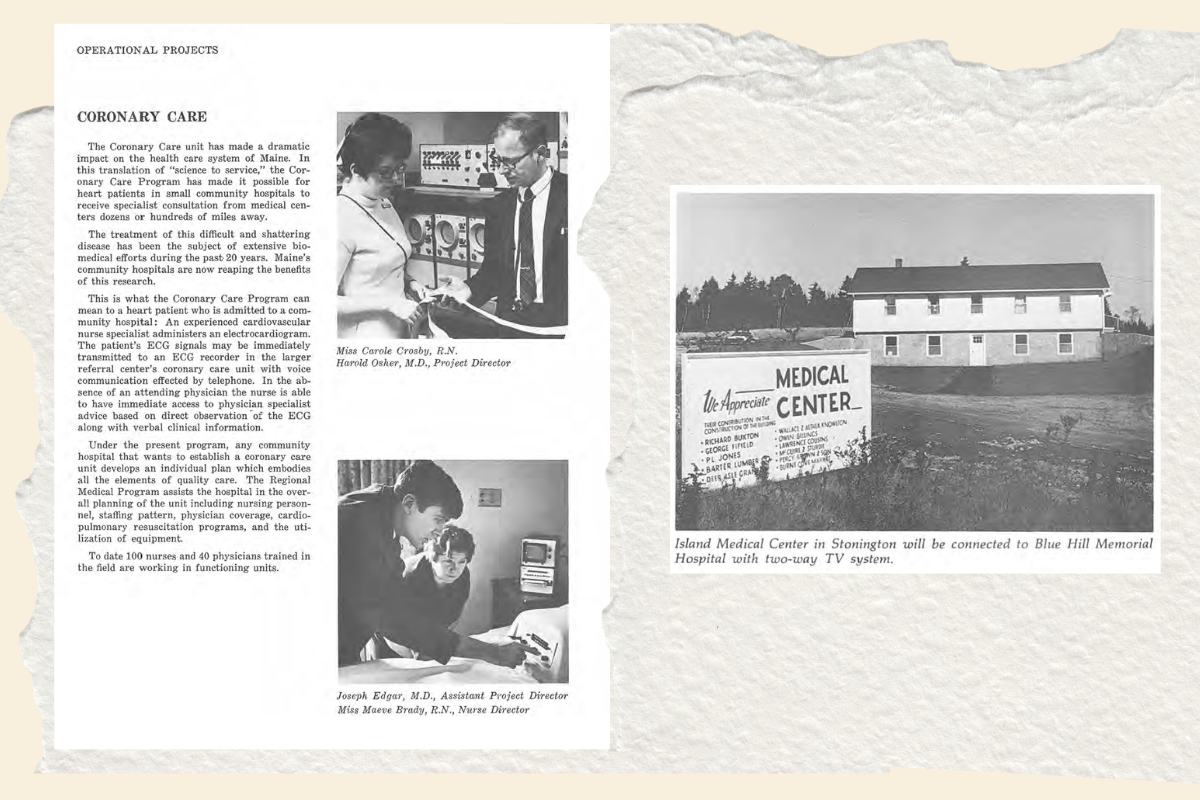
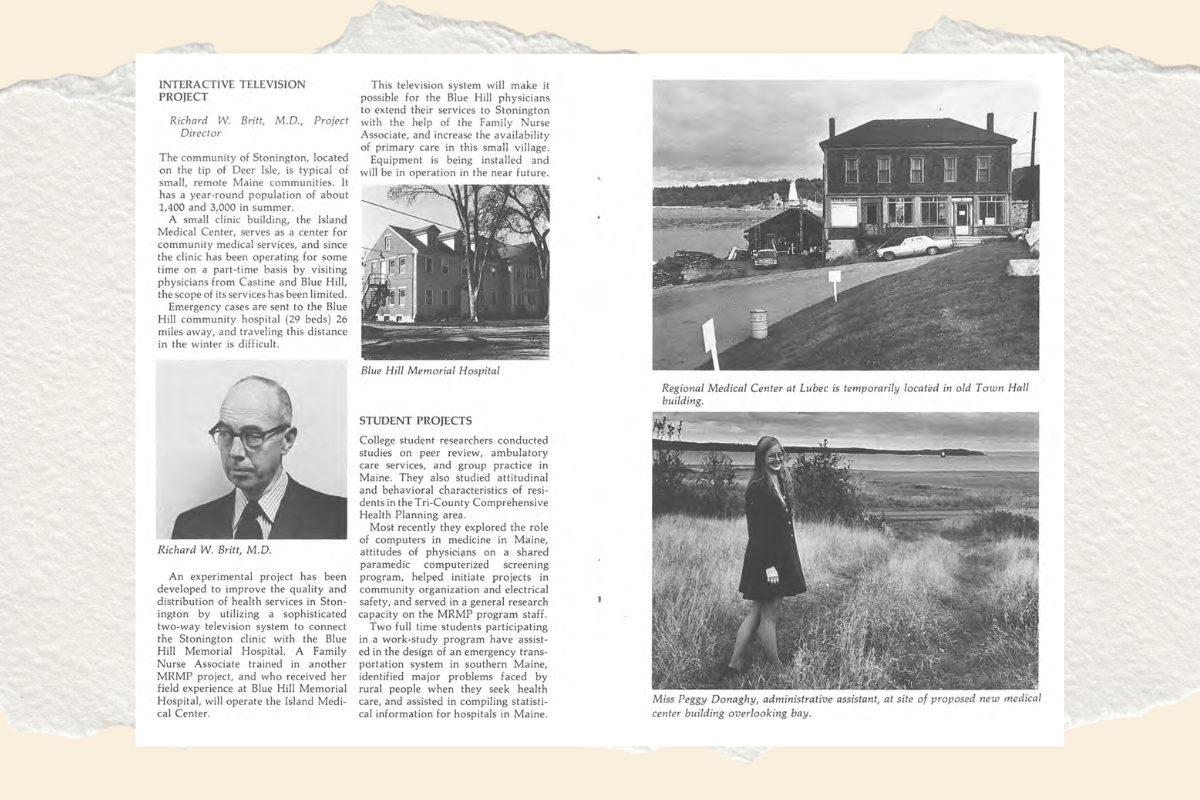
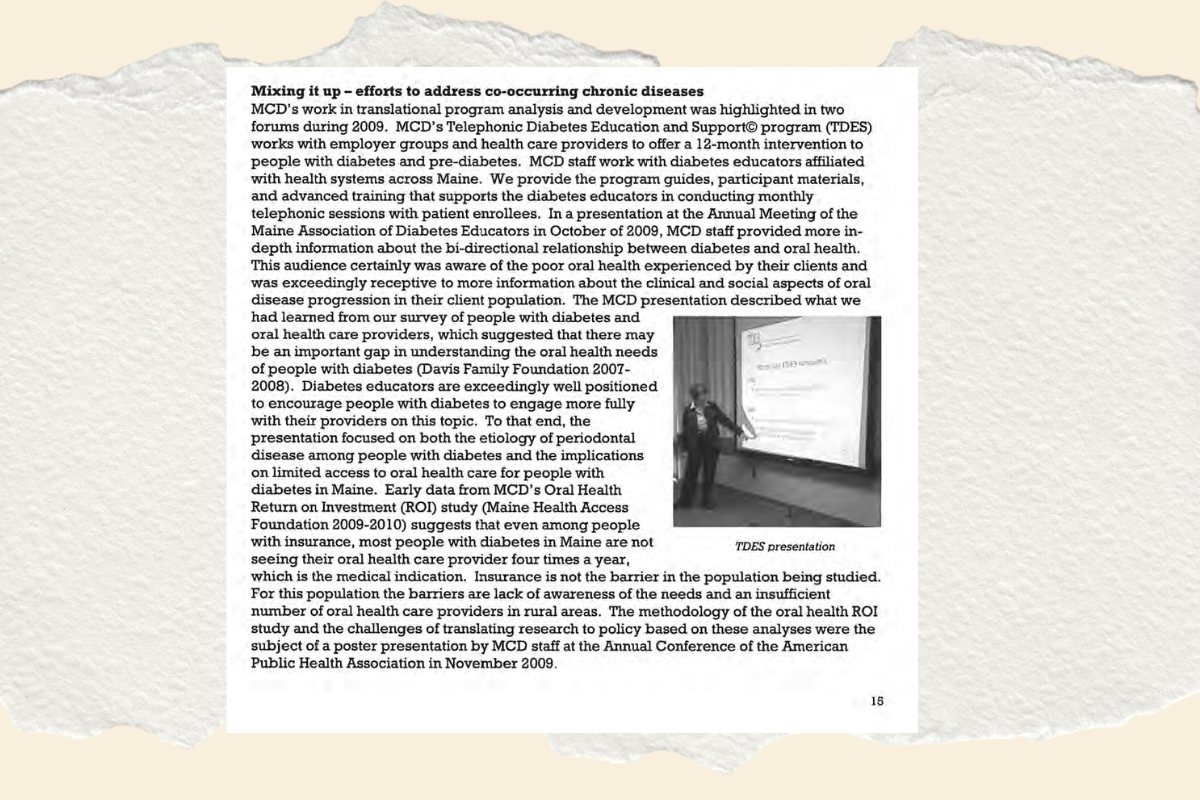
Through initiatives, like the Interactive Television Project, MCD connected providers and communities in places, such as Blue Hill, Stonington, and Deer Isle, with specialists at major medical centers.
What we would now call ’virtual consultation’ began as an effort to use available communications technology to bring expertise to rural Maine rather than requiring patients and providers to travel.
1980s: Building Statewide Learning Networks
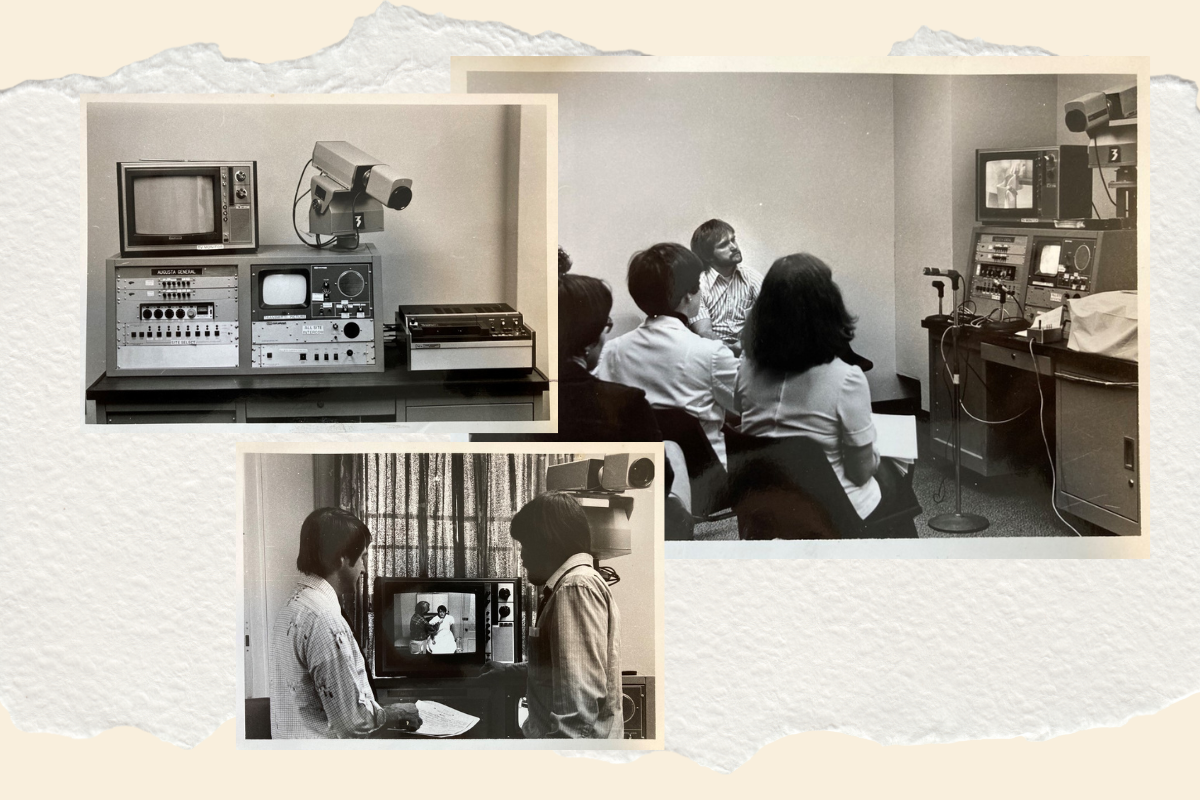
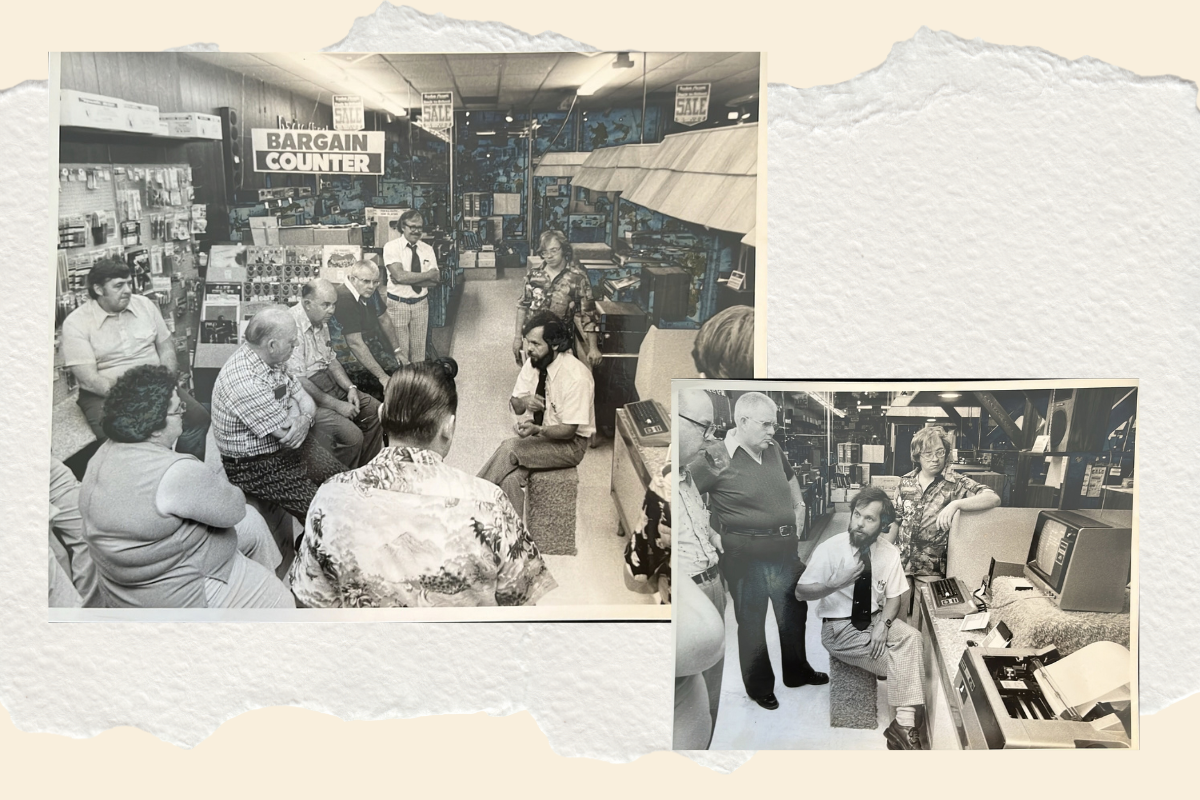
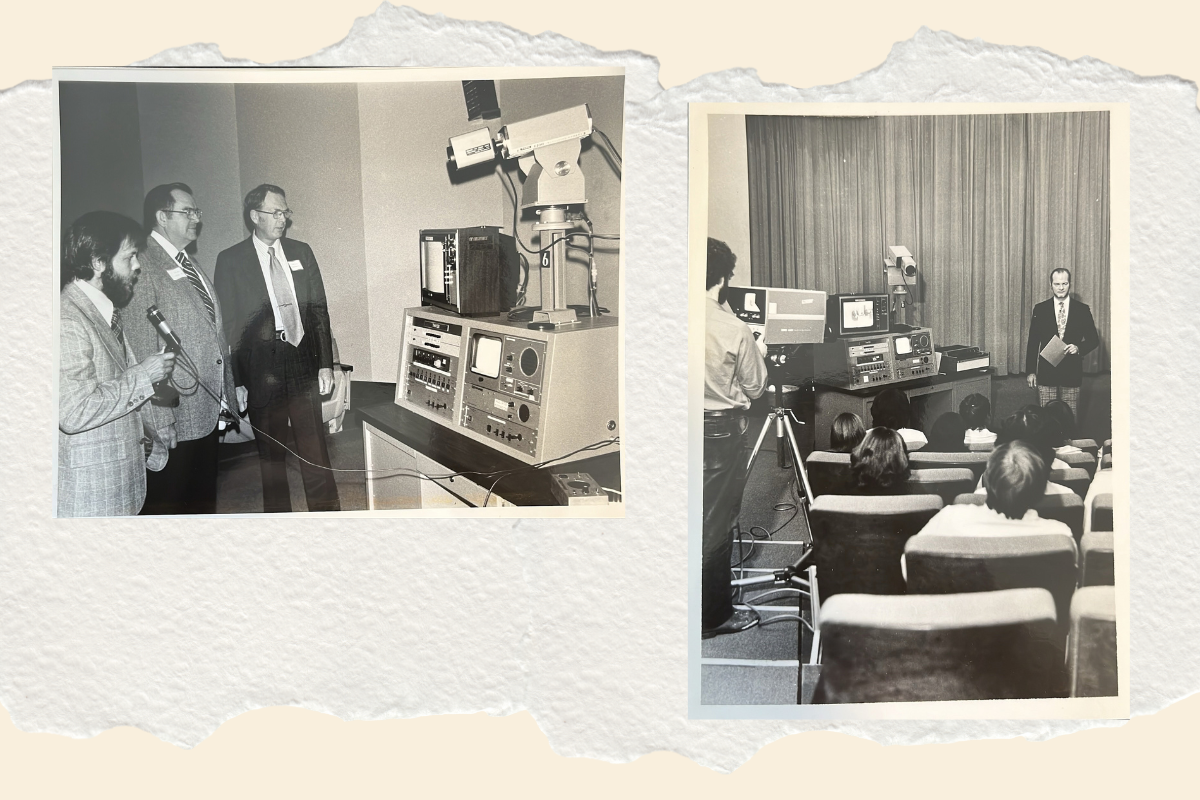
During the late 1970s and the 1980s, MCD helped pioneer distance-learning models for healthcare providers through various efforts, such as the Interactive Telecommunications System, the Maine Hospital Satellite Network, microwave communications links, and statewide continuing medical education programs.
These systems allowed hospitals and clinicians across Maine to access training, specialty education, and professional development remotely.
At a time when most healthcare education required in-person attendance, MCD was already using telecommunications infrastructure to distribute knowledge across Maine.
1990s: Building Health Information Networks
During the 1990s, MCD's work expanded beyond telecommunications for education and into the emerging world of health information systems, quality measurement, and statewide care coordination.
MCD helped develop and support networks that connect providers, public health agencies, emergency medical services, researchers, and rural healthcare organizations across Maine. Projects included: EMS quality assurance systems, partnerships with the Maine Health Information Center, statewide workforce development networks through the Maine Statewide AHEC System, and evaluation efforts that used data to strengthen rural mental health and public health programs.
At the same time, MCD began exploring some of Maine's earliest telemedicine applications, including rural psychiatric consultation models and telemedicine planning initiatives, designed to connect underserved communities with specialized clinical expertise.
The decade also saw the emergence of statewide public health information and planning networks through initiatives, such as the Maine Center for Public Health, Turning Point, and the Maine HIV Prevention Community Planning Group, positioning MCD at the intersection of technology, data, and healthcare transformation.
2000s: Direct-to-patient Virtual Services
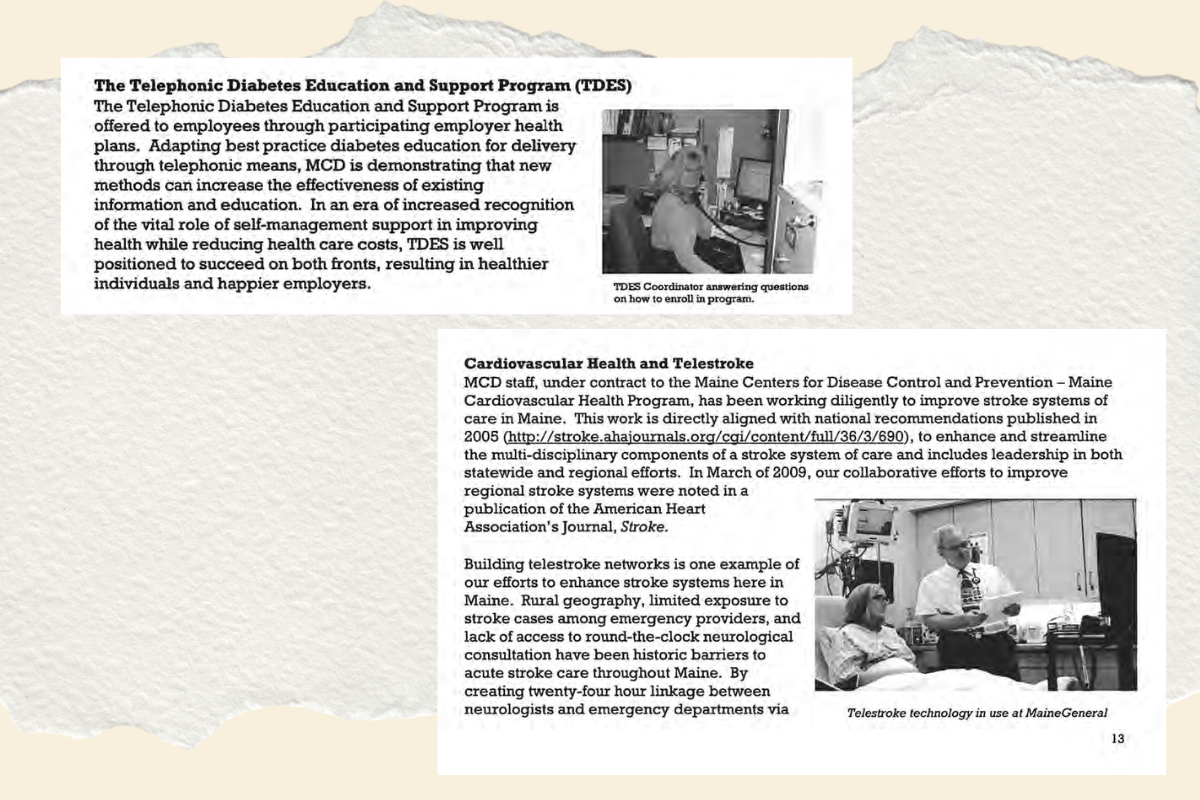
Another milestone came in 2004 with the launch of MCD's Telephonic Diabetes Education Program.
The program represented a significant evolution in MCD's use of telecommunications technology by:
- Moving beyond educating providers;
- Delivering services directly to patients;
- Supporting chronic disease self-management remotely; and
- Reaching people who might otherwise face barriers to in-person care.
For more than two decades, the program demonstrated that meaningful health education and support could be delivered effectively through telecommunications.
The program ended in 2025 and marked the end of an initiative that predated the mass increase of virtual care and anticipated many of the patient-engagement strategies now common in telehealth.
2010s: Regional Telehealth Leaders

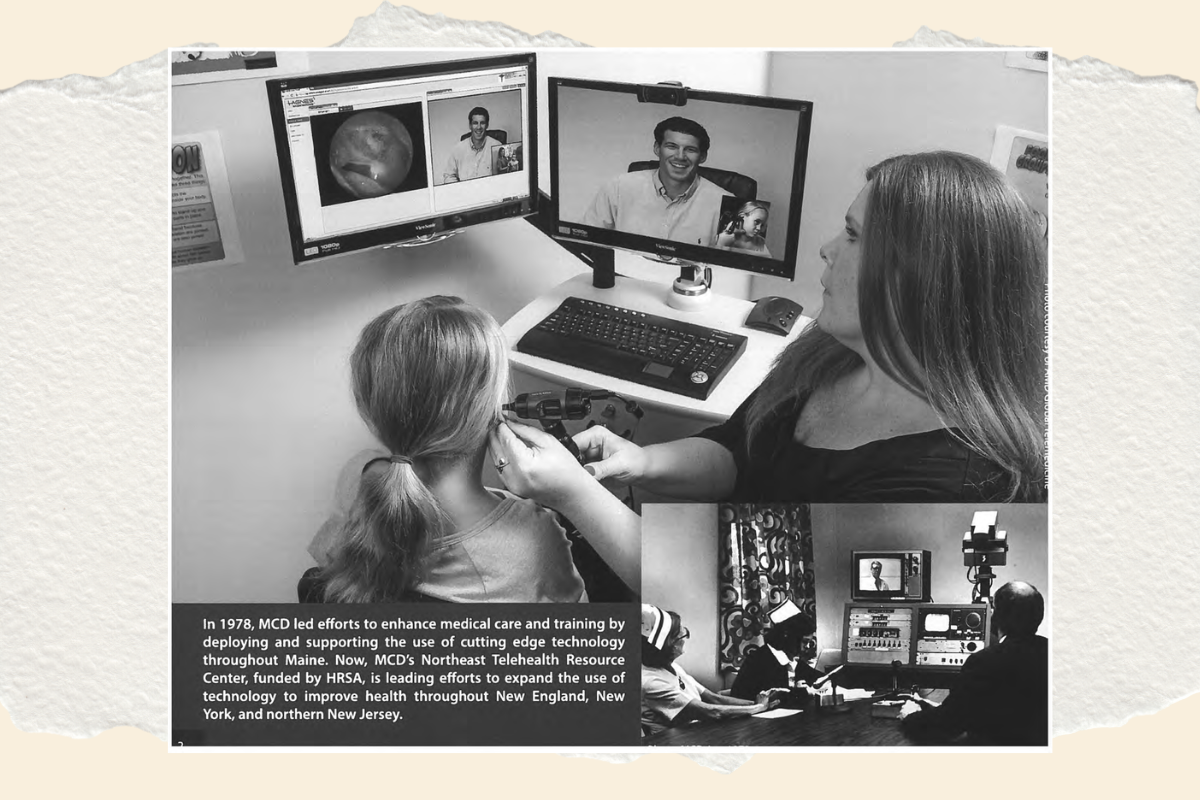
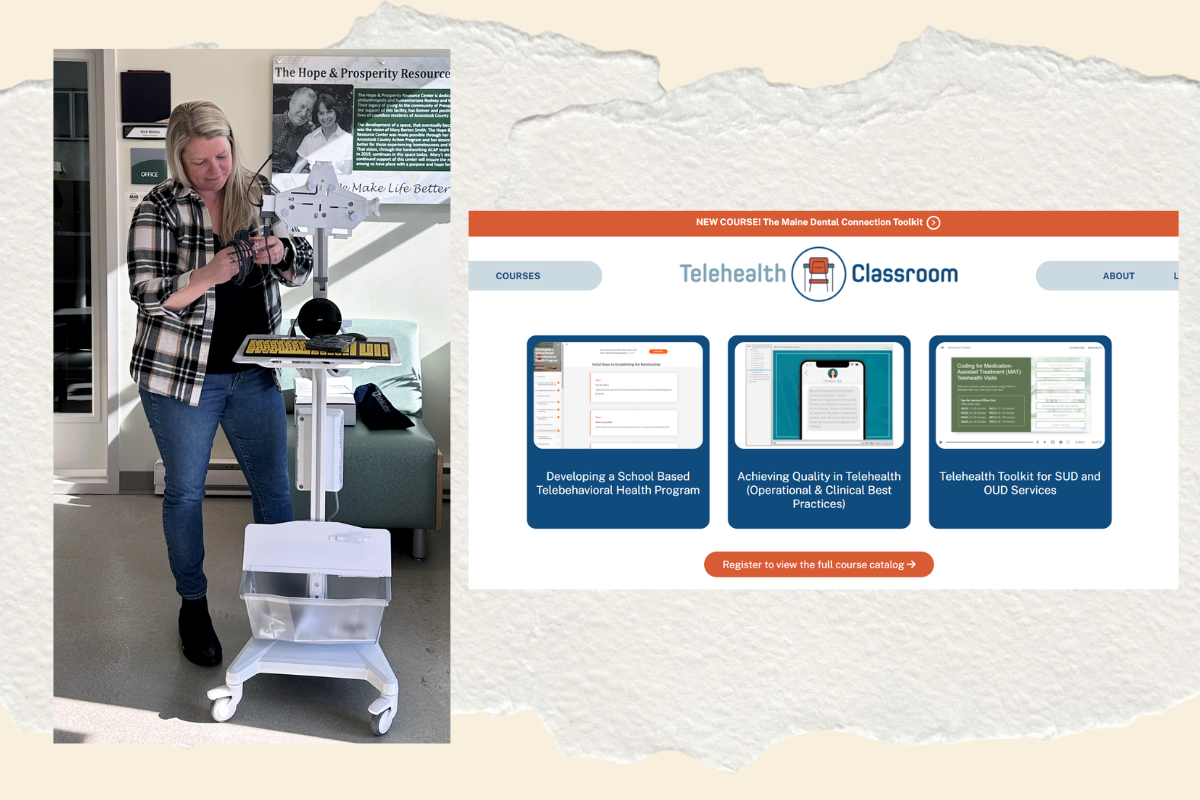
In 2011, MCD became home to the Northeast Telehealth Resource Center (NETRC), one of only 14 federally funded Telehealth Resource Centers serving the U.S.
Through NETRC, MCD's role expanded from implementing telecommunications projects to becoming a regional leader in telehealth advancement.
NETRC continues to support organizations throughout the Northeast by providing:
- Telehealth technical assistance,
- Training and education,
- Program planning support,
- Best practices and implementation guidance, and
- Policy and operational expertise.
Such initiatives place MCD at the center of telehealth capacity building across the region and connect decades of earlier innovation with today's rapidly evolving virtual-care landscape.
Today: Transforming Rural Health Through Digital Infrastructure and AI

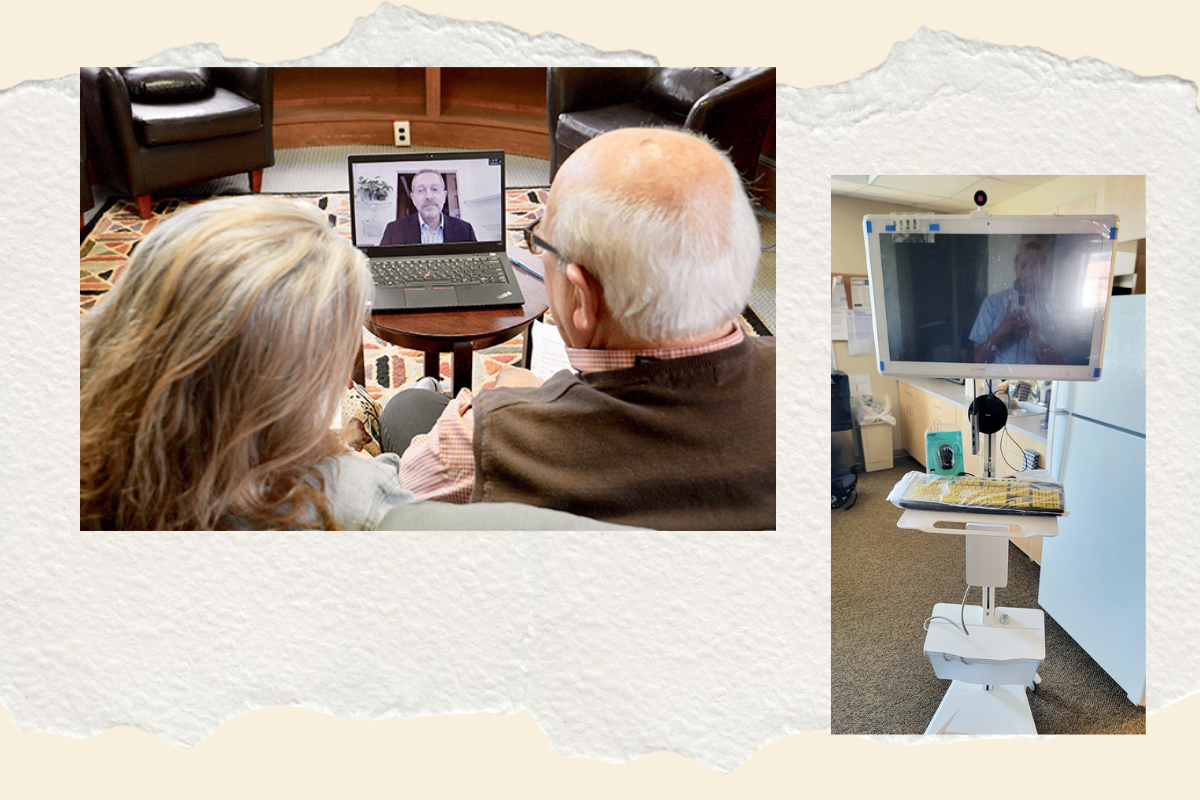
Today, MCD's role extends beyond telehealth delivery and into the broader transformation of how healthcare is accessed, coordinated, and supported across rural communities.
Through the Maine Rural Health Transformation Program (RHTP), MCD is leading the program’s technology and innovation initiatives, which focus on expanding digital health, modernizing healthcare infrastructure, and helping rural providers prepare for the future of care. MCD's role includes supporting telehealth expansion, patient-facing digital tools, electronic medical record (EMR) modernization, and augmented intelligence (AI initiatives).
The technology has changed over time, but the goal has remained remarkably consistent.
Over six decades, MCD’s story of telecommunications and telehealth is not simply a story about technology; it is a story about connection, adaptation, and a lasting commitment to meeting people where they are. From early efforts to link rural Maine communities with medical expertise to today’s work in digital health infrastructure and AI, MCD’s history offers both a foundation and a promise: that innovation matters most when it is grounded in community needs, shaped by partnership, and used to bring health, learning, and care within reach for more people.