Being Informed on Colorectal Cancer Preventive Screenings
March 23, 2026
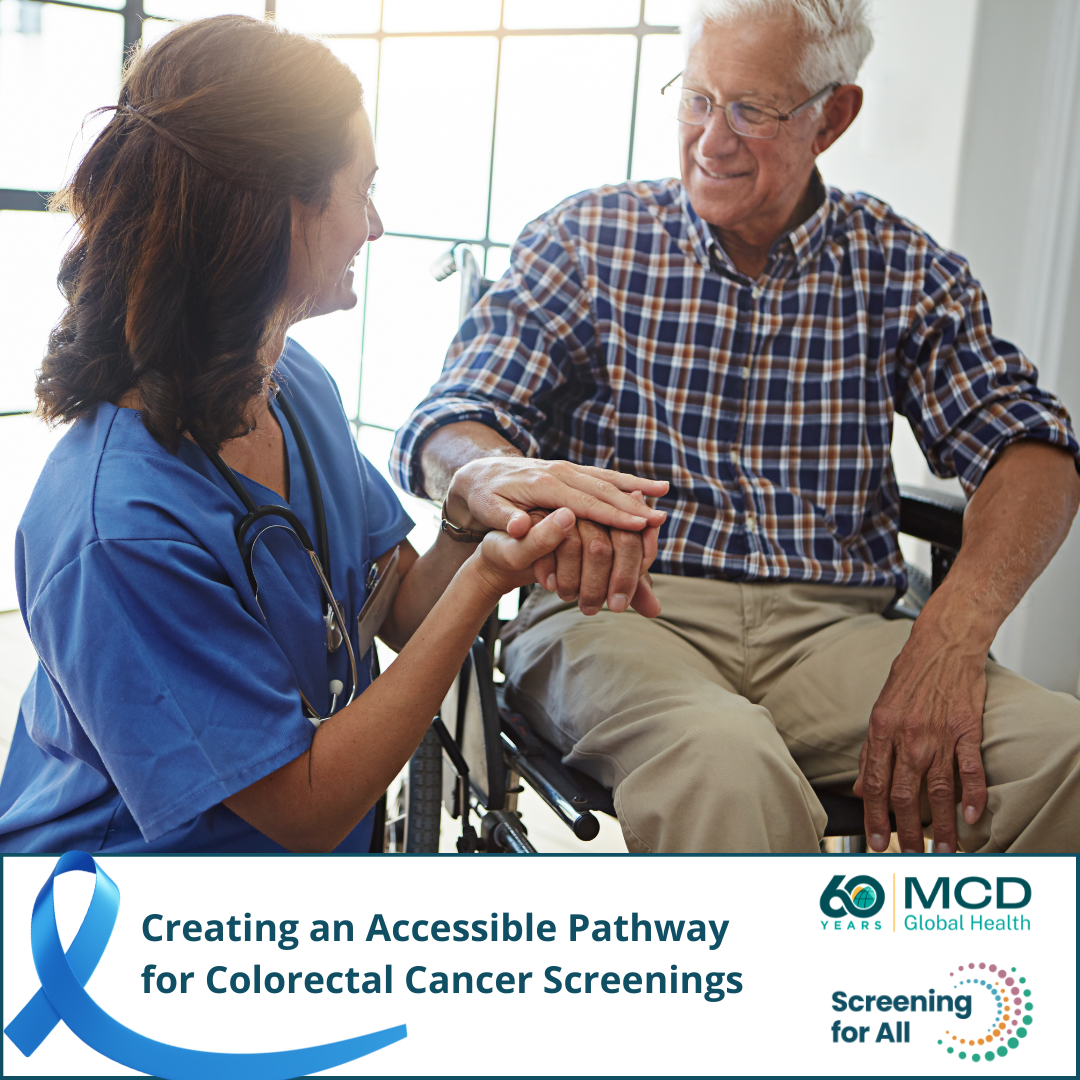
When a letter arrives from a health plan about colorectal cancer screening, fear is not always the first reaction. The language is reassuring: It is “simple,” “preventive,” and "routine.
But for people with disabilities, “simple” is rarely simple in a system built for one kind of body and one kind of life.
The instructions are long. Phone numbers lead to automated menus that are hard to navigate. Clinics offer appointment times that do not align with available transportation. And every step carries the same unspoken requirement: explain your needs ... again. Convince someone to accommodate them ... again. And hope nothing falls through ... again.
Colorectal cancer screening is not a single decision. It is an obstacle course. With stool-based tests, for example, patients may need support collecting or mailing their sample. If that test result shows something unusual, then a visual exam, like a colonoscopy, may be needed. Visual exams sometimes require more complex steps to clean out the bowels before the procedure, such as planning and preparing low-fiber meals for up to a week beforehand and frequent trips to the bathroom during the bowel prep the night before.
These tasks can be challenging for people with disabilities. More than 25% of people with disabilities in the U.S. are not getting their recommended colorectal cancer screenings. A study in Denmark shows that among people with disabilities, 30% do not get a follow-up colonoscopy if they screen positive.
Inclusive colorectal cancer screening means supporting patients throughout the entire process.
The Denmark study calls “sufficient support for informed decision-making” a cornerstone of accessible screening. It’s not enough to simply invite patients into a screening pathway without clearly explaining the choices they must make along the way in a format that is clear to the patient.
Creating an Accessible Pathway
MCD Global Health’s Screening for All initiative has produced a colorectal cancer screening guide for patients that walks through the entire process, from selecting a screening type, to following up on the results, so patients with disabilities can start the process knowing what questions to ask, what to expect from the process, and how to get support to meet their needs throughout.
The guide includes:
- Four screening options presented from most to least invasive: choose what will work for you and understand what the steps of each procedure would be. The guide does not default to colonoscopy.
- A checklist of accommodations patients can ask for.
- A script of questions for patients to ask their doctor’s office and insurance plan to understand their options for screening.
March is Colorectal Cancer Awareness Month, and with these free resources from Screening for All, people with disabilities can be more supported and informed fromstart to finish with this vital preventive screening.
Access the Colorecal Cancer Screening Guide for Patients (PDF)
This program is supported by the U.S. CDC of the U.S. Department of Health and Human Services (HHS) as part of a financial assistance award totaling $974,773.00 with 100% funded by CDC/HHS. The contents are those of the author(s) and do not necessarily represent the official views of, nor an endorsement, by CDC/HHS, or the U.S. Government.