Accessibility and Cervical Cancer Screenings
January 27, 2026
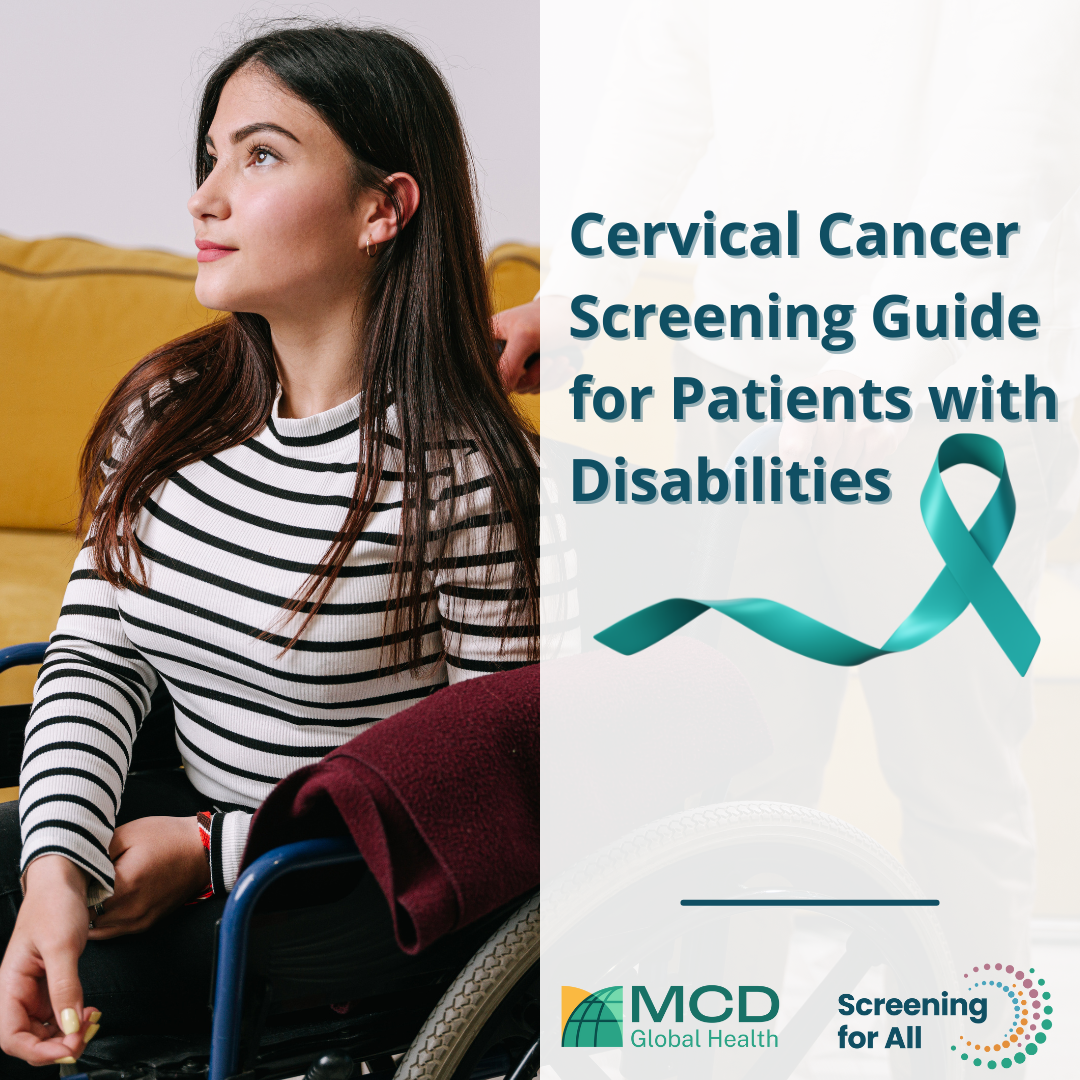
People with disabilities are less likely to be up to date on their cervical cancer screenings (77.9%) compared to those without disabilities (84.2%), according to CDC’s Disability and Health Data System. There are barriers at several levels, including inaccessible exam tables and positioning equipment; lack of communication about accommodations for the pelvic exam; and practitioners who do not, or do not know how to, adapt their screening procedures for disabled patients, according to the American College of Obstetrics and Gynecologists. Persistence of these barriers can lead to delayed screenings and later-stage diagnosis of cervical cancer.
Without structural changes to the healthcare system, the status quo will continue for people with disabilities. A critical gap that is blocking such systemic change involves practitioners lacking concrete guidance on how to provide accessible screenings, and patients may not know about different available screening options and the right questions to ask their doctors to determine which option is best for them.
That’s where Screening for All comes in.
Two free cervical cancer screening guides help both patients with disabilities and healthcare professionals reduce these common barriers.
Cervical Cancer Accommodation Guide for Patients
The Cervical Cancer Accommodation Guide for Patients is designed to help patients navigate cervical cancer screenings with clearer expectations and more control over the process.
Rather than assuming patients already know how screening works, the guide functions as a step-by-step roadmap. It explains what cervical cancer screenings look for and outlines the different screening options patients may be offered, including what typically happens before, during, and after the procedure. By breaking the process into concrete steps, the guide aims to reduce uncertainty and help patients anticipate what to expect at an appointment.
A central feature of the guide is a dedicated section on accommodations. It provides examples of adjustments patients may request, such as communication supports, scheduling considerations, positioning options, or sensory modifications. This section is intended to help patients identify their needs in advance and prepare to discuss them with clinical staff.
The guide also includes structured question prompts for different parts of the healthcare system, including clinicians, clinic staff, and health insurance plans. Space is provided for patients to write down answers, document decisions, and keep key information in one place. This organizational component is intended to support shared decision making and help patients manage multiple conversations as they plan their care.
Taken together, these elements are designed to support patients in preparing for cervical cancer screenings, communicating their needs, and making informed decisions about their care.
Practice Considerations for Patients with Disabilities
Learn how to make your practice more accessible for people with disabilities, so they can more easily receive vital cervical cancer screenings. This free practitioner guide addresses disability-related risk factors, barriers to screening, and accommodation needs for patients with physical or mobility disabilities, sensory disabilities (i.e., vision, hearing), and intellectual and developmental disabilities.
The guide includes sections on:
- Patient assessment,
- Accommodation planning,
- Clinical considerations by disability type,
- Alternative screening options, and
- Follow-up and continuity considerations.
Visit our healthcare practitioner page for more resources on how to better accommodate patients with disabilities.
This program is supported by the U.S. CDC of the U.S. Department of Health and Human Services (HHS) as part of a financial assistance award totaling $974,773.00 with 100% funded by CDC/HHS. The contents are those of the author(s) and do not necessarily represent the official views of, nor an endorsement, by CDC/HHS, or the U.S. Government.